Biometric Authentication Gains Ground in Urban Mobile Football Betting
Harper Baumann · Aug 24, 2026
Biometric Authentication Gains Ground in Urban Mobile Football Betting
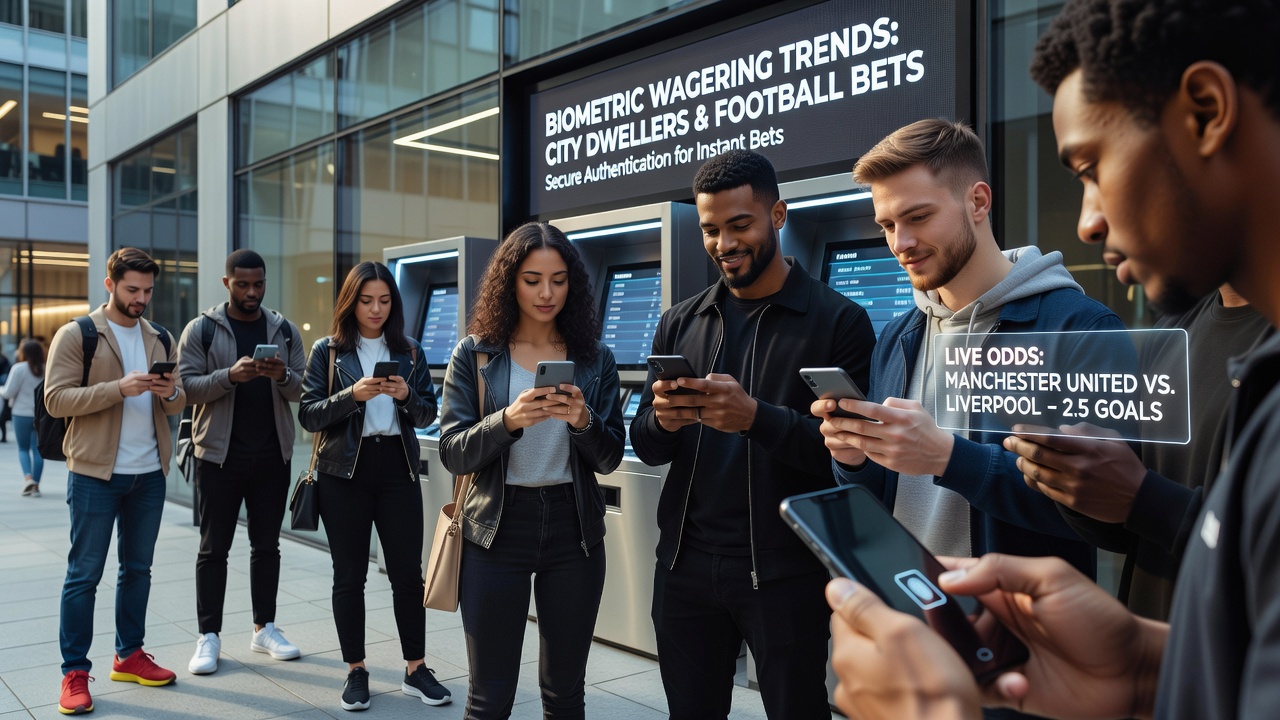
City residents continue to shift toward biometric methods when accessing football wagering platforms on handheld devices, and data from multiple markets shows steady increases in fingerprint and facial recognition usage throughout 2026. Reports compiled in August 2026 indicate that adoption rates in major metropolitan areas have risen as operators integrate these features to meet security demands while users navigate crowded transit routes and public spaces.
Adoption Patterns Across Major Cities
Surveys conducted by industry research groups reveal that residents in dense urban centers complete a higher percentage of login and transaction steps through biometrics compared to suburban or rural populations, and this gap widened during the first half of 2026. Operators report that fingerprint scanners handle the majority of quick deposits on popular football betting applications, while facial recognition sees stronger uptake during live match periods when users check odds between stops on public transport. Those who have studied user behavior note that city dwellers often prefer methods that reduce typing on small screens amid distractions like traffic noise or crowded sidewalks.
Security Drivers Behind the Shift
Regulatory updates in several jurisdictions have pushed platforms to strengthen identity verification, and this has accelerated biometric rollouts for football wagering accounts. According to figures released by the American Gaming Association, states with expanded mobile betting options recorded measurable drops in account takeover incidents after requiring multi-factor checks that include biometrics. The European Gaming and Betting Association has documented similar patterns in markets where operators introduced optional facial scans for high-value transfers during evening match windows. City users benefit because these systems reduce reliance on remembered passwords that can be compromised through public Wi-Fi networks common in downtown areas.
What's notable is how integration varies by device type. Newer smartphone models with advanced infrared cameras support faster facial verification, and adoption climbs among users who own these handsets. Data indicates that iOS and Android updates released earlier in 2026 improved compatibility, allowing seamless switches between fingerprint and face options without exiting the betting application.
Usage During Live Football Events
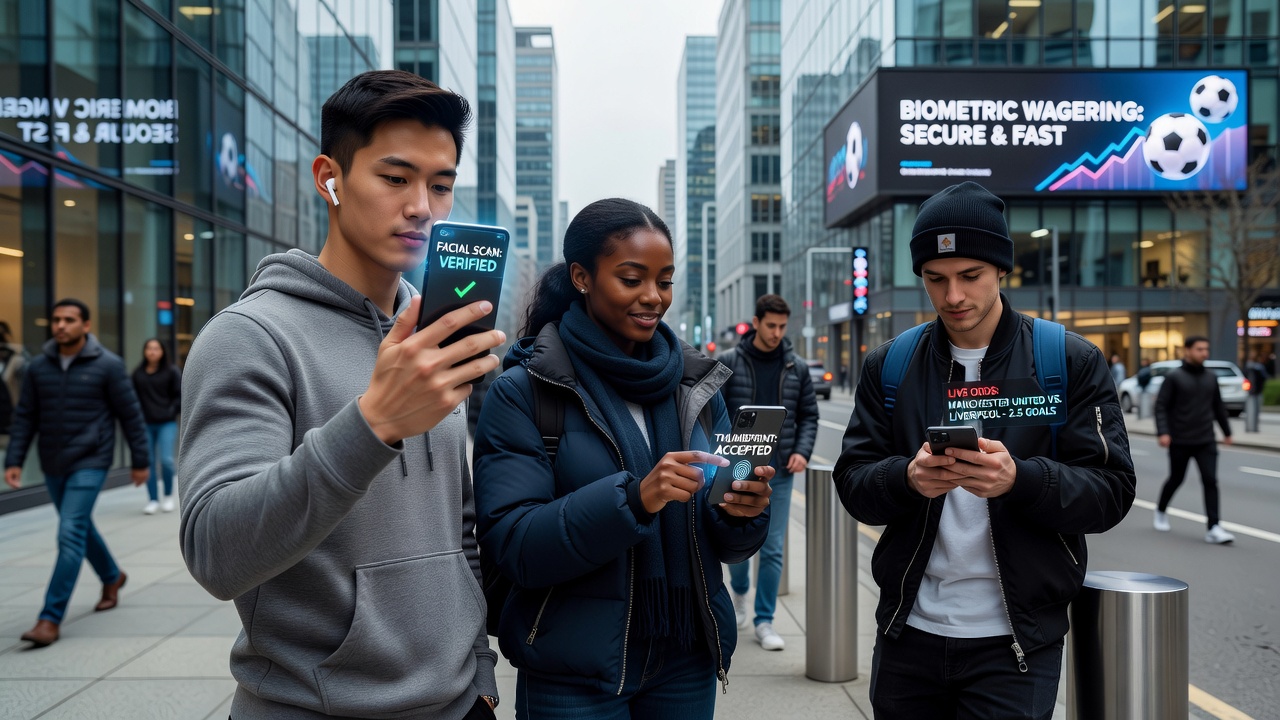
Live betting volumes for football matches show distinct spikes in biometric activity right before kickoff and during halftime, when urban users often place additional wagers from offices or commuting routes. Studies tracking session data find that average verification time drops by several seconds when biometrics replace manual entry, and this efficiency matters during fast-moving markets that update every minute. Observers note that city dwellers frequently combine these logins with push notifications for goal alerts, creating a workflow where identity confirmation happens in under two seconds on compatible devices.
Challenges in Dense Environments
Technical hurdles persist in areas with poor lighting or high foot traffic, where facial recognition can encounter interference from bright streetlights or moving backgrounds. Research groups tracking urban betting patterns report that some users revert to fingerprint methods in such conditions, while others wait until reaching indoor locations with stable connectivity. Battery drain remains a consideration for prolonged match sessions, though newer chipsets have mitigated much of this impact according to device performance metrics shared in mid-2026.
Privacy regulations continue to shape how operators store biometric templates, and city residents in regions with strict data rules see prompts for consent before enrollment. Government agencies in North America and parts of Asia have issued guidelines requiring clear opt-out paths, and compliance reports from August 2026 show high adherence among major platforms serving football markets.
Regional Variations in 2026
North American cities display faster uptake of facial recognition tied to recent regulatory approvals for mobile sports betting, whereas European urban centers lean more toward fingerprint due to established hardware standards. Australian data released around the same period highlights hybrid approaches where users select preferred methods during account setup, leading to higher overall completion rates for football wager placements. Researchers examining these differences point to local device ownership trends and varying levels of public trust in centralized databases as key factors.
Industry reports also track how biometric trends intersect with other features such as location verification, which many city platforms combine during live football events to confirm users remain within approved boundaries. This layered approach appears in several major applications and has contributed to sustained growth in transaction volumes through the summer months of 2026.
Conclusion
Biometric authentication continues to expand among city residents who place football wagers on handheld devices, driven by security requirements, device improvements, and regulatory frameworks that differ by region. Data compiled through August 2026 shows consistent patterns of increased usage during live matches, with fingerprint and facial methods each carving out distinct roles based on environment and hardware. Operators and users alike adapt to these tools as urban betting activity maintains its pace across global markets.