Coastal Storm Systems and Payout Method Shifts in Island Mobile Betting Markets
Iris Friedrich · Aug 24, 2026
Coastal Storm Systems and Payout Method Shifts in Island Mobile Betting Markets
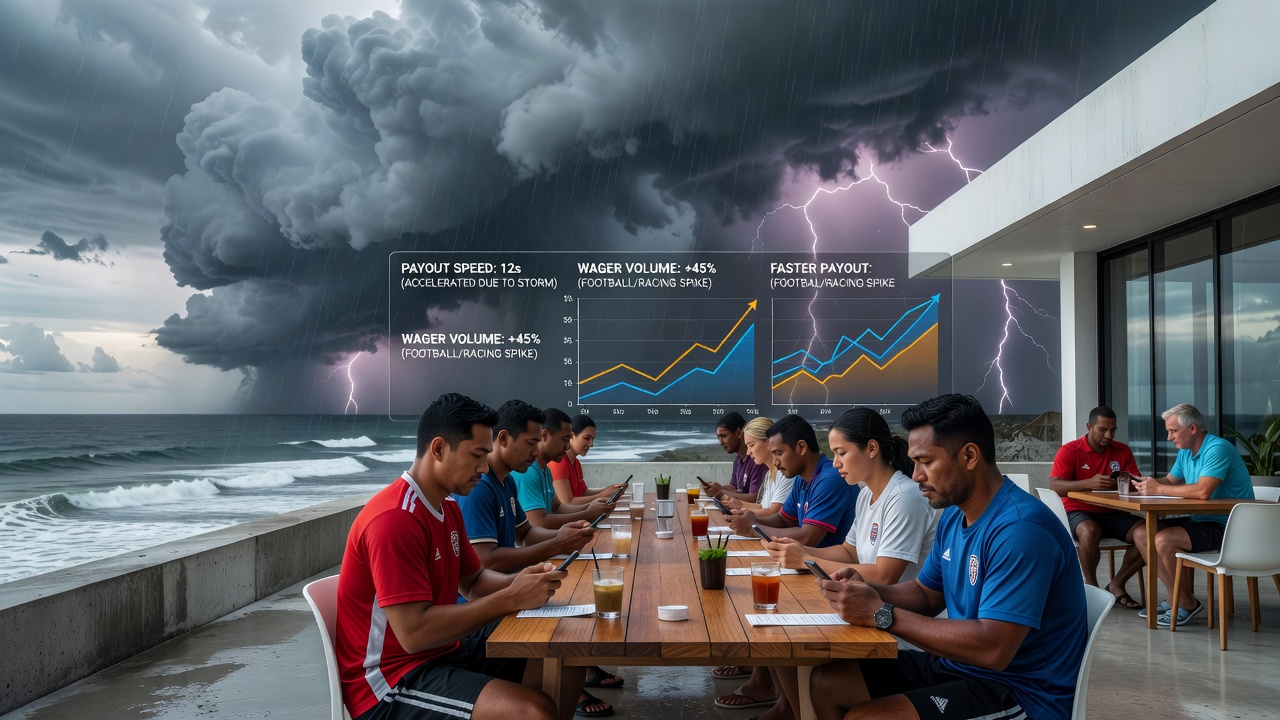
Coastal storm fronts move across island regions with regularity, and they bring changes to mobile network reliability that directly affect how bettors handle real-time football and racing wagers. In places where connectivity drops during heavy rain or high winds, payout speed becomes a practical concern rather than a preference, and users shift toward methods that process without repeated signal confirmation. Data from weather monitoring agencies shows these fronts often form in late summer, including periods around August 2026, when tropical activity peaks in multiple ocean basins.
Weather Patterns and Network Stability
Storm fronts generate strong winds and precipitation that interfere with cellular towers positioned near coastlines, and this interference leads to intermittent service in island communities that rely on those towers for mobile betting apps. Observers note that live football markets and racing events continue during these periods, yet transaction requests for payouts encounter delays when the connection fluctuates. Researchers tracking usage patterns have found that bettors respond by selecting e-wallet options over traditional bank transfers because the former complete authorization steps in fewer data exchanges.
Island networks often operate with limited redundancy, so a single front passing through can reduce bandwidth for hours, and this reduction pushes participants in real-time markets to prioritize speed. Figures from regional communications regulators indicate that average session times for payout confirmations increase by measurable margins during active weather systems compared with clear conditions.
Football and Racing Wager Adjustments
Real-time football betting involves rapid odds changes tied to match events, while racing wagers depend on live updates from tracks, and both require stable connections for cash-out or settlement requests. When storms arrive, the sequence of placing a wager and then requesting a payout can break if the signal drops mid-process, so users in affected communities develop habits around faster settlement tools. Studies of mobile platform logs reveal higher volumes of instant payout selections during storm events, particularly in locations where football leagues and equine races overlap with peak storm seasons.
One documented pattern shows that bettors in Caribbean and Pacific island settings favor digital wallets that store transaction records locally on the device, allowing completion once connectivity returns without re-entering full details. This approach reduces exposure to repeated network failures that affect debit card or wire options requiring external verification servers.
Regional Data and Platform Responses
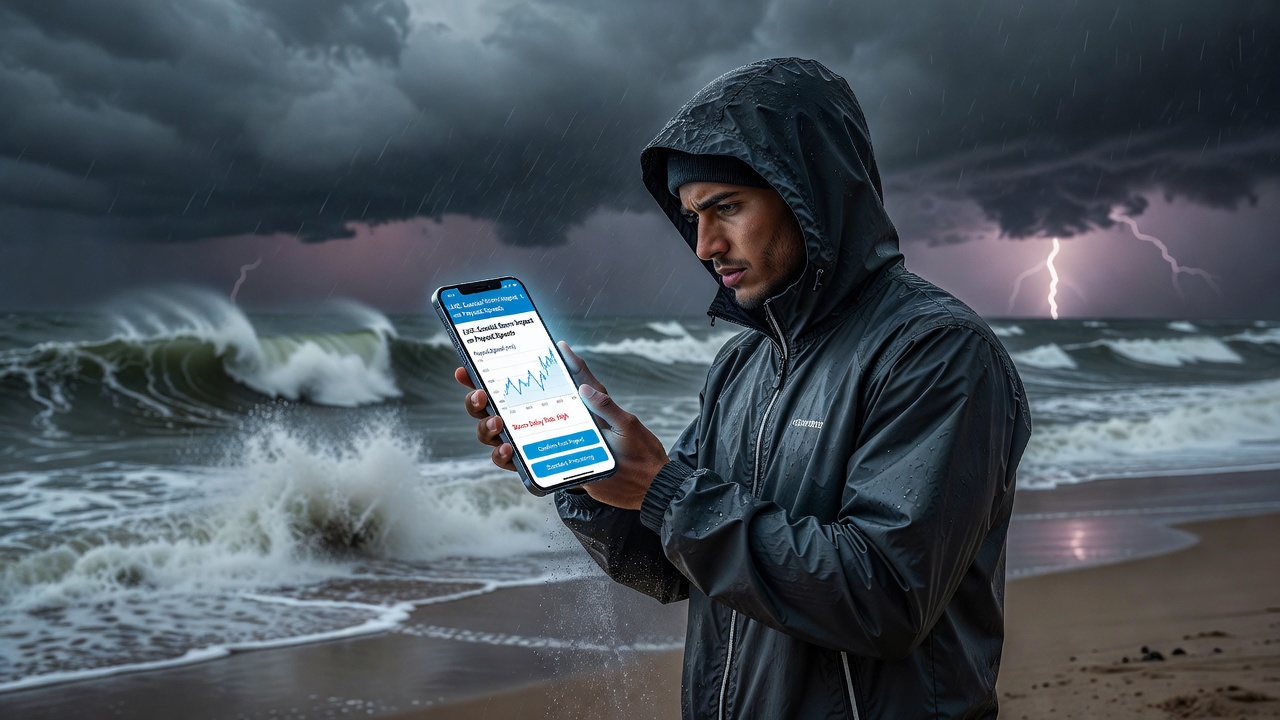
Platform operators monitor geographic payout trends and adjust available methods during forecast periods of coastal activity, and reports from industry groups such as the European Gaming and Betting Association highlight similar connectivity-driven preferences in island markets. August 2026 data from several operators showed elevated selection rates for same-day digital transfers in regions experiencing repeated storm passages, whereas slower options saw reduced uptake. Those tracking these metrics note that the shift occurs without changes to overall betting volumes, indicating the change stems from execution concerns rather than participation levels.
Additional analysis from academic sources at institutions studying tropical meteorology links specific wind speeds and rainfall totals to measurable drops in mobile data throughput, and these drops correlate with payout timing statistics collected by betting platforms. Island communities with frequent exposure to such fronts therefore maintain consistent preferences for methods that minimize dependence on sustained connections.
Settlement Infrastructure Considerations
Payment processors serving mobile betting applications incorporate fallback protocols for areas prone to weather disruptions, yet these protocols still favor methods that require minimal back-and-forth communication. In racing markets, where results finalize quickly after each event, delayed payout confirmations create friction that users seek to avoid through upfront selection of rapid options. Football live markets present parallel challenges because in-play adjustments demand immediate attention, and any payout request that hangs due to network issues risks missing subsequent opportunities.
Regulatory bodies in multiple jurisdictions, including those in Australia and Canada, have documented how localized infrastructure limitations influence transaction preferences during adverse weather, and the resulting data aligns with observations from island operators. Platforms respond by surfacing faster payout choices more prominently when regional forecasts indicate approaching fronts, allowing users to align their selections with expected conditions.
Conclusion
Coastal storm fronts create recurring conditions that shape payout speed choices among mobile bettors in island communities engaged with live football and racing markets, and the documented patterns show consistent movement toward methods that function reliably under variable connectivity. Platform data combined with weather records demonstrates these adjustments occur predictably around active periods such as August 2026, without altering the underlying volume of wagers placed. Continued monitoring by industry and research organizations will track whether infrastructure improvements alter these established preferences over time.