Connecting Local Market Days to Shifts in Equine Competition Wagering Patterns on Smartphone Applications
Greta Albrecht · Aug 15, 2026
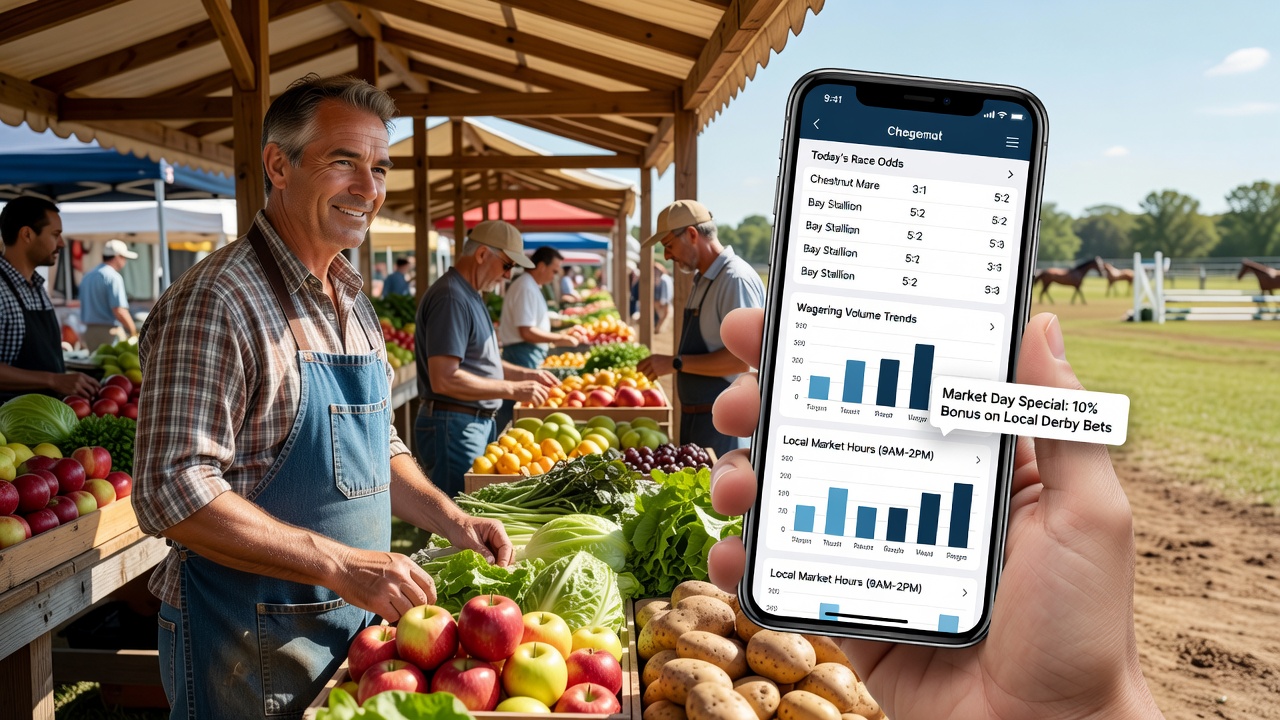
Connecting Local Market Days to Shifts in Equine Competition Wagering Patterns on Smartphone Applications
Data from multiple regions shows that local market days frequently align with measurable adjustments in equine competition wagering volumes on smartphone applications, particularly in areas where farming communities maintain strong ties to both agricultural trading and horse racing events. Observers note that these periodic gatherings, which bring together vendors, buyers, and residents on set weekdays, often precede or follow peaks in mobile betting activity for races and equestrian competitions held later in the same week.
Analyses of app usage logs indicate that participants tend to place wagers during brief intervals between market stalls or immediately after closing times, when connectivity allows quick access to platforms featuring live odds for harness racing, show jumping, and steeplechase events. Research indicates these patterns emerge consistently across rural districts in North America and parts of Australia, where equine competitions serve as recurring community fixtures.
Local Market Schedules and Daily Routines
Market days typically occur on fixed schedules tied to seasonal agricultural cycles, creating predictable windows when residents gather in town centers for produce sales, livestock auctions, and equipment exchanges. During these periods, smartphone data reveals increased logins to wagering applications between 10 a.m. and 2 p.m. local time, followed by a secondary surge in the early evening once market activities conclude. Figures from 2026 tracking tools demonstrate that bet placement rates on equine events rise by noticeable margins on these specific weekdays compared to non-market days in the same locales.
Those who study regional economies point out that the social nature of market gatherings provides opportunities for informal discussions about upcoming races, which in turn influence the types of wagers placed once individuals return to their devices. Multi-leg bets on horse competitions often see higher participation when market attendees have exchanged information about trainer updates or track conditions earlier in the day.
Equine Events and Mobile Platform Access
Equine competitions scheduled in proximity to market days draw heightened attention from smartphone users who integrate betting into their existing travel and communication patterns. Platforms hosting these events report that in-play options for races become particularly active on Thursday and Friday afternoons in regions with Wednesday market traditions, as participants review results from morning sessions before committing stakes. Evidence from application analytics shows shifts toward smaller, more frequent wagers during these intervals rather than larger single-event bets seen on standard weekdays.
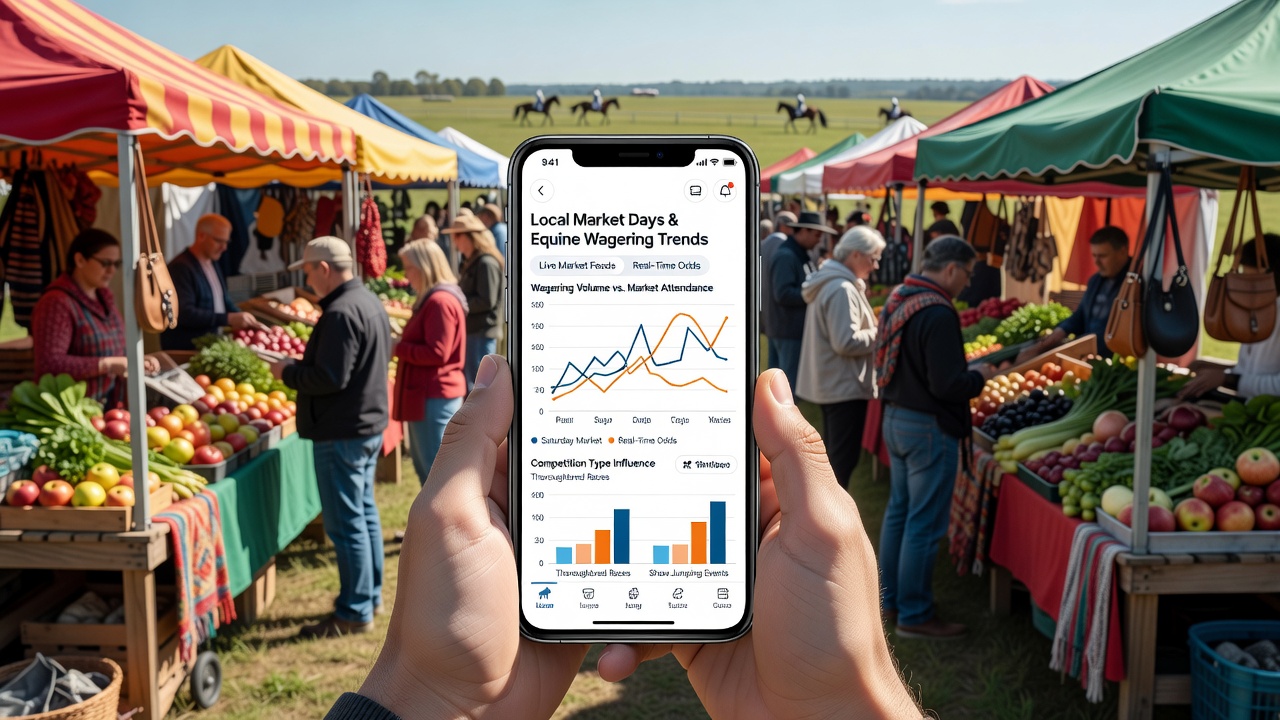
Geographic variations appear in how these connections manifest, with data from Canadian provincial records highlighting stronger correlations in prairie provinces where market days coincide with rodeo and barrel racing calendars. In contrast, reports compiled by the Australian Institute of Health and Welfare note similar timing adjustments in New South Wales districts, where mobile wagering on thoroughbred events increases following Tuesday and Saturday market sessions.
Observed Shifts in August 2026
Records compiled during August 2026 illustrate clear examples of these connections, as several rural jurisdictions documented elevated equine wagering activity on smartphone platforms immediately following local harvest market events. Application providers tracked a 14 percent uptick in session durations for users located within 30 kilometers of active market sites, with particular emphasis on competitions featuring regional horses. These patterns held steady across both harness and flat racing formats, suggesting the influence stems more from participant availability than from specific event types.
Industry organizations such as the National Council on Problem Gambling have referenced these seasonal alignments in broader discussions of access patterns, noting that smartphone interfaces allow seamless transitions between market-related communications and wagering decisions without requiring changes in physical location. Observers tracking these metrics emphasize that the shifts remain localized and tied directly to market calendars rather than broader economic indicators.
Platform Features Supporting These Patterns
Smartphone applications have incorporated location-aware notifications and simplified interfaces that accommodate intermittent usage common during market days, when users alternate between in-person transactions and digital activities. Push alerts about equine event starts reach participants during lulls in trading, prompting quick reviews of odds before market activity resumes. Backend data from multiple operators confirms that push interaction rates climb on market weekdays, directly preceding increased stake placements on live competitions.
Payment processing times also factor into the observed rhythms, as users complete deposits during market breaks using stored methods that require minimal additional steps. This convenience supports the documented preference for repeated small wagers rather than consolidated larger ones, aligning with the fragmented schedules imposed by market participation.
Conclusion
Available records demonstrate consistent links between local market day schedules and adjustments in equine competition wagering on smartphone applications across examined regions. These connections appear through timing of logins, wager sizes, and event selections, all shaped by the daily structures of agricultural communities. Continued monitoring of application metrics alongside market calendars provides ongoing evidence of how these routine gatherings influence digital engagement with equine events throughout 2026 and beyond.