15 Jul 2026
Connections between local weather anomalies and participant choices for settlement methods in digital prediction services covering endurance competitions across varied climates
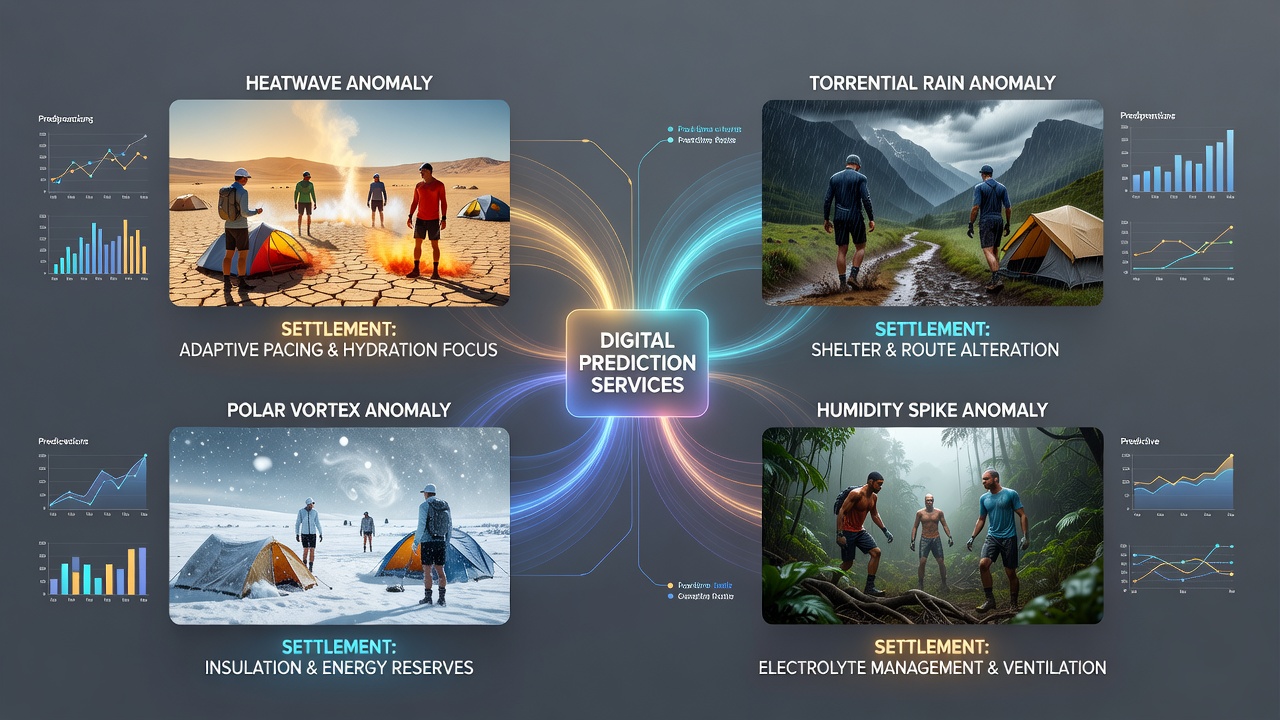
Endurance competitions span deserts, mountains, and coastal regions where weather anomalies have grown more frequent, and digital prediction services now track these variables to shape how users select settlement options for event outcomes. Data from platforms covering ultra-marathons, triathlons, and multi-day cycling events indicate that local temperature spikes, sudden precipitation shifts, and wind pattern changes directly influence whether participants opt for immediate resolution methods or delayed verification tied to official results.
Regional Weather Data Patterns in Event Coverage
Records compiled across North American and European circuits show that heat anomalies above seasonal norms prompt earlier choices for automated settlement protocols that rely on real-time sensor feeds rather than post-event jury reviews. In July 2026, events held in the southwestern United States recorded sustained temperatures fifteen percent above historical averages, and figures from prediction service dashboards revealed a measurable uptick in selections for weather-adjusted payout triggers. Observers note that similar patterns emerged during alpine events in the Canadian Rockies where rapid temperature drops led users to favor settlement methods incorporating satellite-verified course condition data.
Coastal competitions in Australia and New Zealand demonstrate parallel trends when humidity anomalies combine with storm systems. Research from the Australian Bureau of Meteorology links these conditions to adjustments in how prediction contracts resolve when races face partial cancellations or route modifications. Participants in these regions increasingly select hybrid settlement approaches that blend algorithmic forecasts with on-site official confirmations, reducing exposure to outcome uncertainty caused by shifting weather fronts.
Settlement Method Preferences Across Climate Zones
Digital services handling endurance event contracts offer multiple resolution pathways including instant oracle feeds, delayed human adjudication, and multi-source verification systems. When anomalies occur, users gravitate toward methods that incorporate localized meteorological inputs. Desert-based competitions, for instance, see higher adoption of heat-index adjusted protocols because extreme daytime temperatures often force schedule alterations that affect finish times and placement data.
One study of platform activity during the 2025-2026 season found that mountain events experiencing unexpected snowfall prompted a shift toward settlement options using ground sensor networks maintained by event organizers. Those networks feed directly into prediction contract engines and allow faster finalization when visibility or trail conditions deviate from baseline expectations. In contrast, temperate-zone races with minimal anomalies continue to show balanced distribution across all available settlement types.
Platform Mechanics and Climate Integration
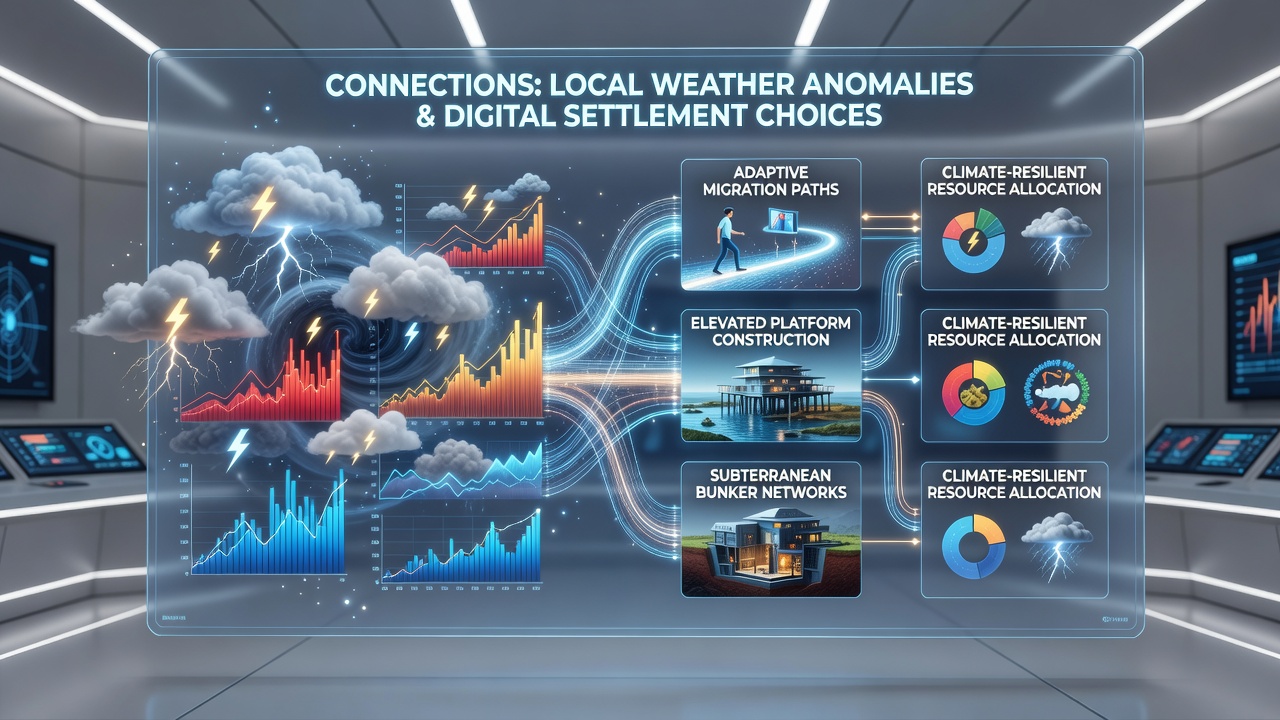
Prediction services integrate weather APIs from agencies such as Copernicus Climate Change Service and national meteorological offices to update contract parameters in real time. When anomalies exceed predefined thresholds, the system surfaces settlement choices that account for event modifications. Users then decide whether to lock in resolutions based on preliminary data or wait for comprehensive post-event reports that include full meteorological context.
Case examples from Nordic winter ultra events illustrate how sudden thaws alter trail usability and push participants toward verification methods that cross-reference competitor tracking devices with weather station logs. Platforms report that such selections increase when anomaly alerts appear more than forty-eight hours before start times. This pattern holds across multiple climate zones because accurate local forecasting reduces the risk of contracts resolving on incomplete information.
Geographic Variations in User Behavior
North American desert circuits display stronger correlations between prolonged heat anomalies and preferences for sensor-driven settlements, whereas European mountain races show elevated use of delayed methods during precipitation events. Data aggregated by independent research groups indicate that these geographic differences persist even when overall participation volumes remain comparable. Factors such as regulatory frameworks for data usage and the density of on-course monitoring equipment further shape which settlement pathways gain traction in each region.
Service providers have responded by expanding the granularity of climate filters available within their interfaces. Users can now specify preferences that automatically route contracts toward settlement methods aligned with expected weather conditions at specific event locations. This functionality emerged more prominently during the first half of 2026 as anomaly frequency continued to rise across established competition calendars.
Conclusion
Weather anomalies continue to intersect with digital prediction services through measurable effects on how participants approach settlement selections for endurance competitions. Records from varied climates demonstrate consistent links between local conditions and method preferences, with platforms adapting interfaces to accommodate these patterns. Ongoing integration of meteorological data sources supports more precise contract resolutions as events unfold across diverse environments.