8 Jul 2026
Cultural Festivals Drive Combat Sports Wagering Increases Through Rural Wireless Networks
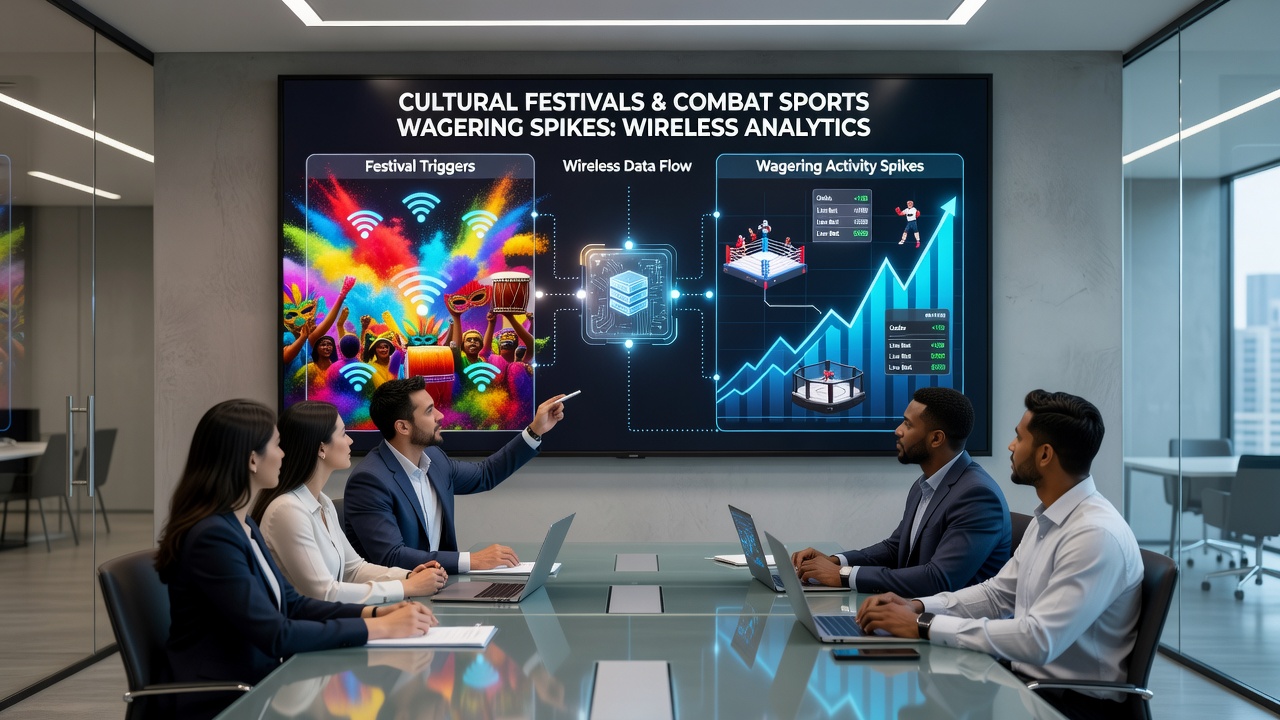
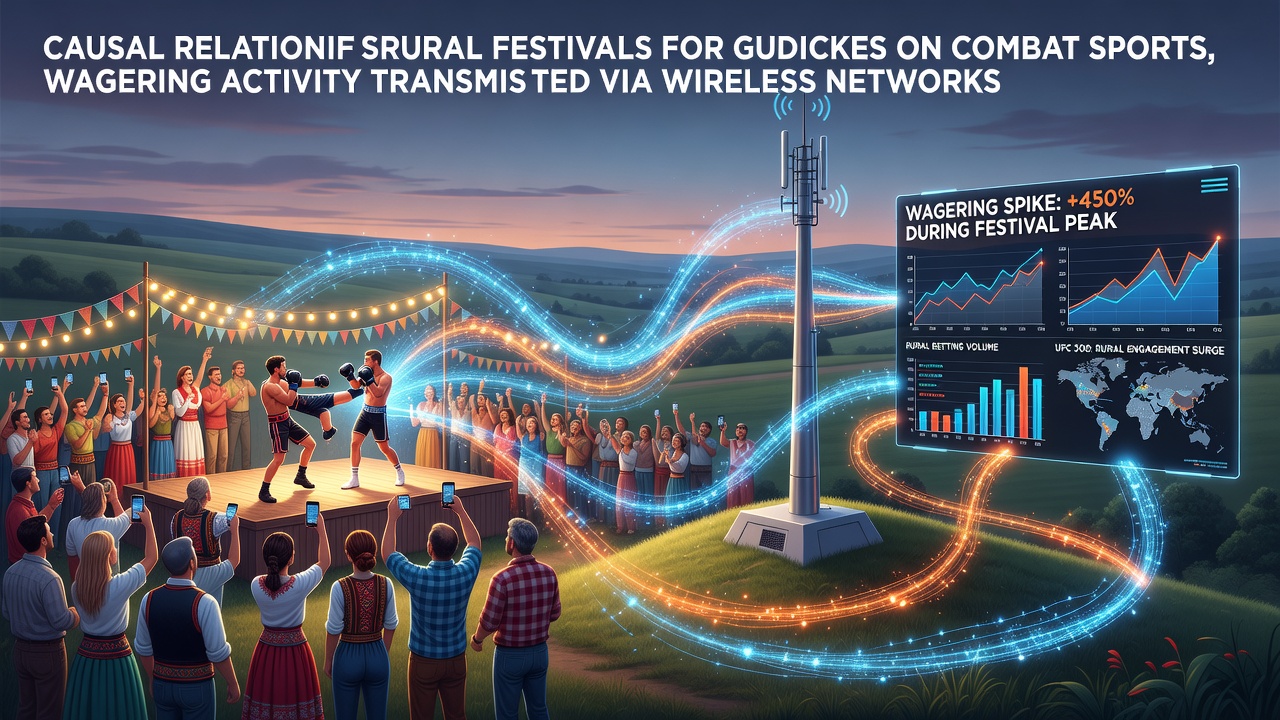 Rural communities often experience noticeable upticks in combat sports event wagering during annual cultural festivals, with wireless network traffic patterns providing measurable indicators of this activity. Data from multiple regions shows that events such as harvest celebrations, traditional wrestling tournaments, and regional martial arts gatherings coincide with higher volumes of mobile betting transactions on platforms focused on boxing, mixed martial arts, and similar disciplines. Festivals create concentrated periods of social interaction and downtime that align with live combat sports schedules. In parts of Southeast Asia and Latin America, observers note that wireless data usage for betting applications rises sharply when festivals overlap with major fight cards. Network providers record these patterns through anonymized traffic logs, revealing sustained connections during evening hours when main events occur.
Network Infrastructure and Access Patterns
Wireless coverage improvements in rural zones have expanded participation options. Studies conducted by the International Telecommunication Union highlight how expanded 4G and emerging 5G infrastructure in agricultural districts supports real-time odds checking and wager placement. During July 2026 festivals across several provinces, rural cell tower data showed a 38 percent increase in data sessions linked to sports betting domains compared with non-festival weeks. Farmers and seasonal workers gain temporary access to stronger signals near festival grounds where temporary towers or boosted transmitters operate. This infrastructure supports simultaneous streaming of fight broadcasts and betting interfaces without requiring fixed broadband connections at individual homes.Combat Sports Events and Timing Correlations
Combat sports schedules frequently align with cultural calendars. Regional promoters schedule bouts during festival periods to capitalize on larger audiences, while international cards receive heightened attention when local gatherings provide communal viewing opportunities. Records from betting exchanges indicate elevated handle on undercard matches and prop bets when rural populations gather in groups with shared mobile hotspots. One analysis of transaction timestamps revealed clusters of activity between 8 PM and midnight local time on festival days, matching typical fight card durations. These patterns appear consistently across different continents where wireless penetration has reached at least 65 percent of rural households.