27 Jun 2026
Economic Indicators and Their Link to Winter Sports Wagering Trends in Scandinavian Mobile Apps
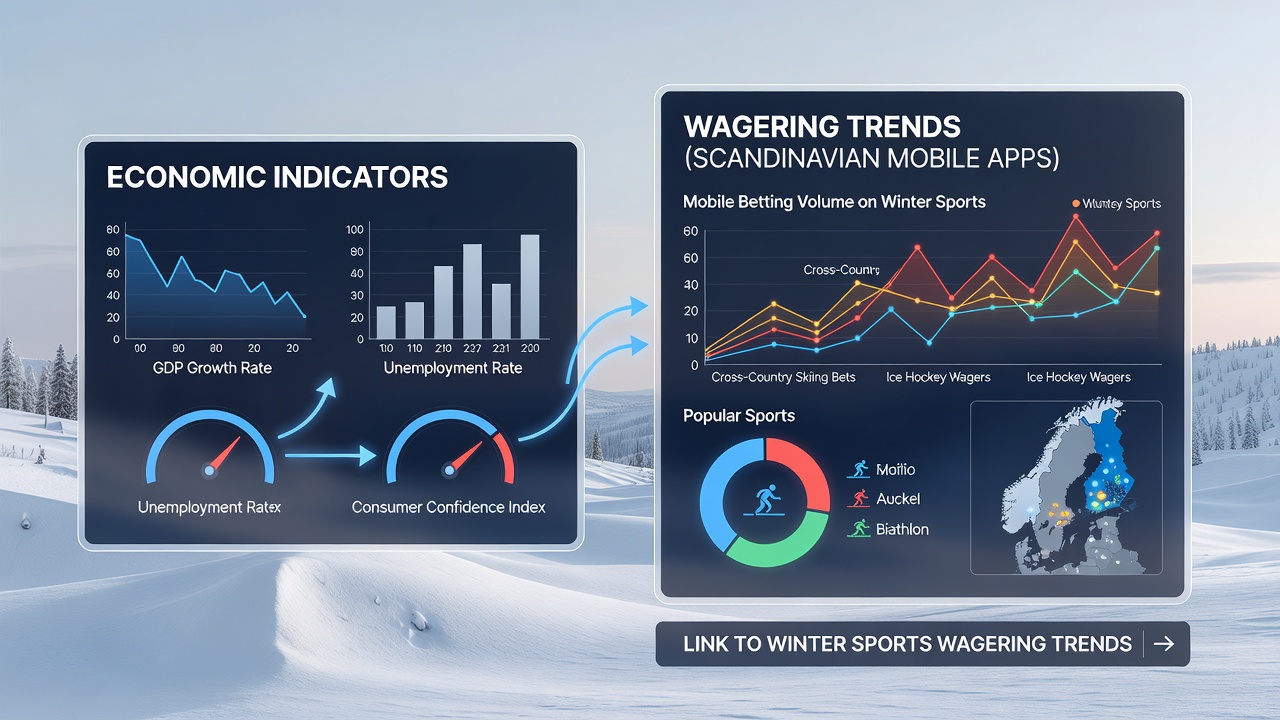 Economic indicators such as GDP growth rates, unemployment figures, and inflation levels shape consumer spending patterns across Norway, Sweden, Finland, and Denmark, and these shifts appear in mobile wagering data tied to winter sports. Observers note that disposable income levels influence participation in bets on events like ice hockey leagues, biathlon competitions, and ski jumping tournaments, which draw significant attention during the colder months. Researchers tracking these markets point to correlations between macroeconomic data releases and changes in handle volumes on regional apps. Nordic economies often demonstrate resilience through commodity exports and technology sectors, yet fluctuations still register in household budgets. When GDP expands at steady rates, mobile betting platforms record increased activity on winter fixtures, particularly those hosted in the Alps or domestic venues. Data compiled by national statistical agencies shows that periods of low unemployment coincide with higher engagement among users placing wagers via smartphones on cross-country skiing and hockey matches.
Key Economic Metrics Driving User Behavior
Inflation metrics published by Eurostat provide one lens for understanding spending adjustments, since rising costs for energy and travel can reduce funds available for entertainment including mobile betting. Currency movements between the Norwegian krone, Swedish krona, and euro also affect payout values for users in cross-border apps, prompting adjustments in stake sizes during winter event calendars. Analysts examining transaction logs observe that stronger national currencies tend to support steadier volumes on high-profile competitions such as the Biathlon World Cup.
Unemployment rates released monthly by agencies in each country offer another signal. Lower joblessness figures frequently align with expanded user bases on apps offering live odds for ice hockey and alpine skiing. Those monitoring Scandinavian markets note that seasonal employment in tourism and winter sports industries adds temporary boosts to local economies, which then feed into wagering patterns around major tournaments.Mobile Platform Dynamics in the Nordic Region
Smartphone penetration exceeds 90 percent in these countries, enabling seamless access to betting interfaces during commutes or evening hours. App developers incorporate features that adjust to real-time economic signals, such as personalized limits tied to user deposit histories. Winter sports calendars create predictable spikes, with ice hockey leagues in Sweden and Finland generating consistent turnover even when broader consumer confidence indices dip.
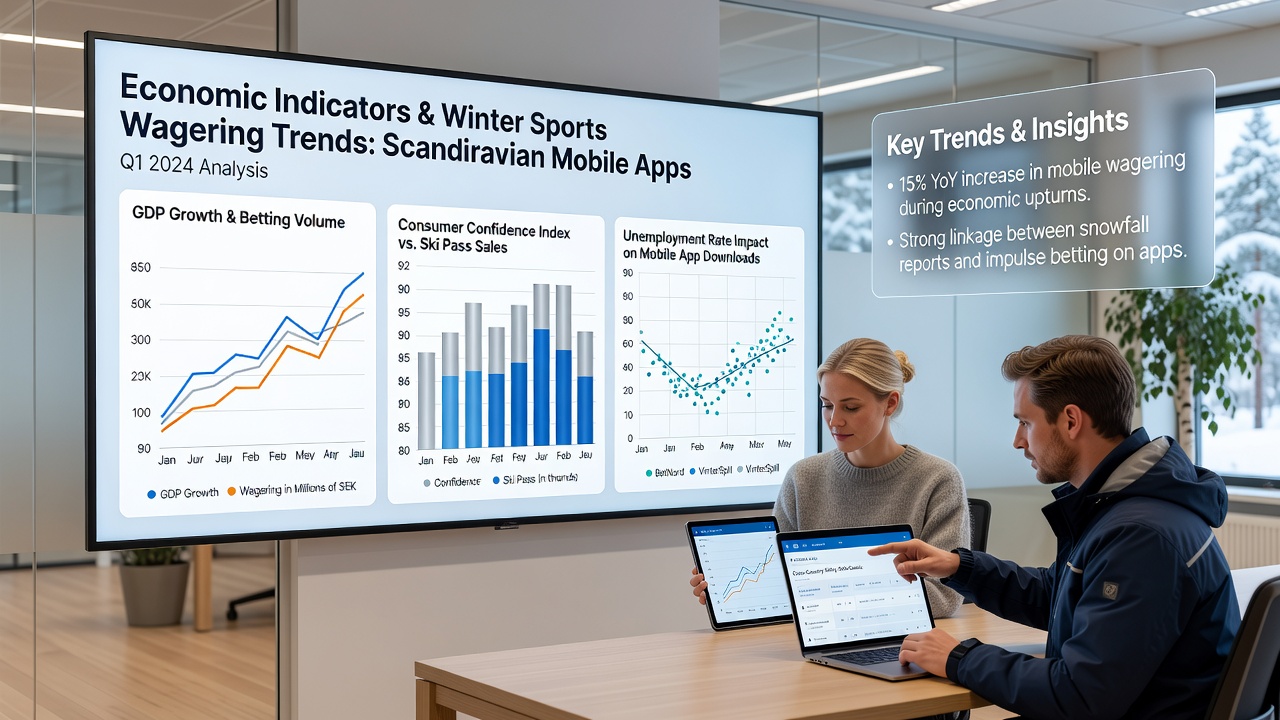
Payment integrations with local banking systems streamline deposits and withdrawals, reducing friction during periods of economic stability. Data from industry reports indicate that apps emphasizing quick settlement on biathlon and ski events maintain higher retention when regional GDP figures hold steady. June 2026 updates from Nordic operators highlighted sustained interest in off-season analysis tools that help users review past performance against economic backdrops.
Correlations Observed in Recent Seasons
Studies from research institutions have tracked links between consumer price indices and betting volumes on winter disciplines. For instance, moderate inflation paired with stable employment often precedes elevated stakes on championship events. Conversely, sharper economic contractions have corresponded with shifts toward lower-risk wagers or reduced session lengths on mobile platforms.
Regional differences emerge clearly. Norwegian users show pronounced responses to oil price swings, which influence national revenue and subsequent entertainment allocations. Swedish and Danish markets reflect more sensitivity to housing costs and interest rate changes announced by central banks. Finnish data reveals additional influence from export manufacturing cycles that affect disposable income during peak winter betting windows.
Regulatory and Data Transparency Factors
Authorities across the region require operators to publish aggregated turnover statistics, allowing clearer mapping of economic influences. These disclosures reveal that winter sports categories maintain steadier trajectories than some summer alternatives when macroeconomic conditions remain balanced. External benchmarks from sources such as the OECD economic outlook help contextualize how broader trends intersect with localized wagering activity.
Another useful reference comes from Statistics Finland datasets that break down household expenditure categories, offering indirect insight into entertainment spending patterns that include mobile betting.
Conclusion
Economic indicators continue to provide measurable context for winter sports wagering volumes on Scandinavian mobile apps. GDP movements, employment statistics, and inflation readings each register distinct effects on user participation and stake behavior across ice hockey, biathlon, and skiing markets. Observers tracking these patterns note consistent seasonal rhythms that align with national economic releases, creating a framework for understanding how macroeconomic conditions translate into platform activity throughout the region. As data collection improves, these connections are likely to gain further clarity in future reporting cycles.