27 May 2026
Examining Blockchain-Based Loyalty Programs and Their Impact on User Retention in Mobile Wagering Applications for Soccer and Equestrian Events
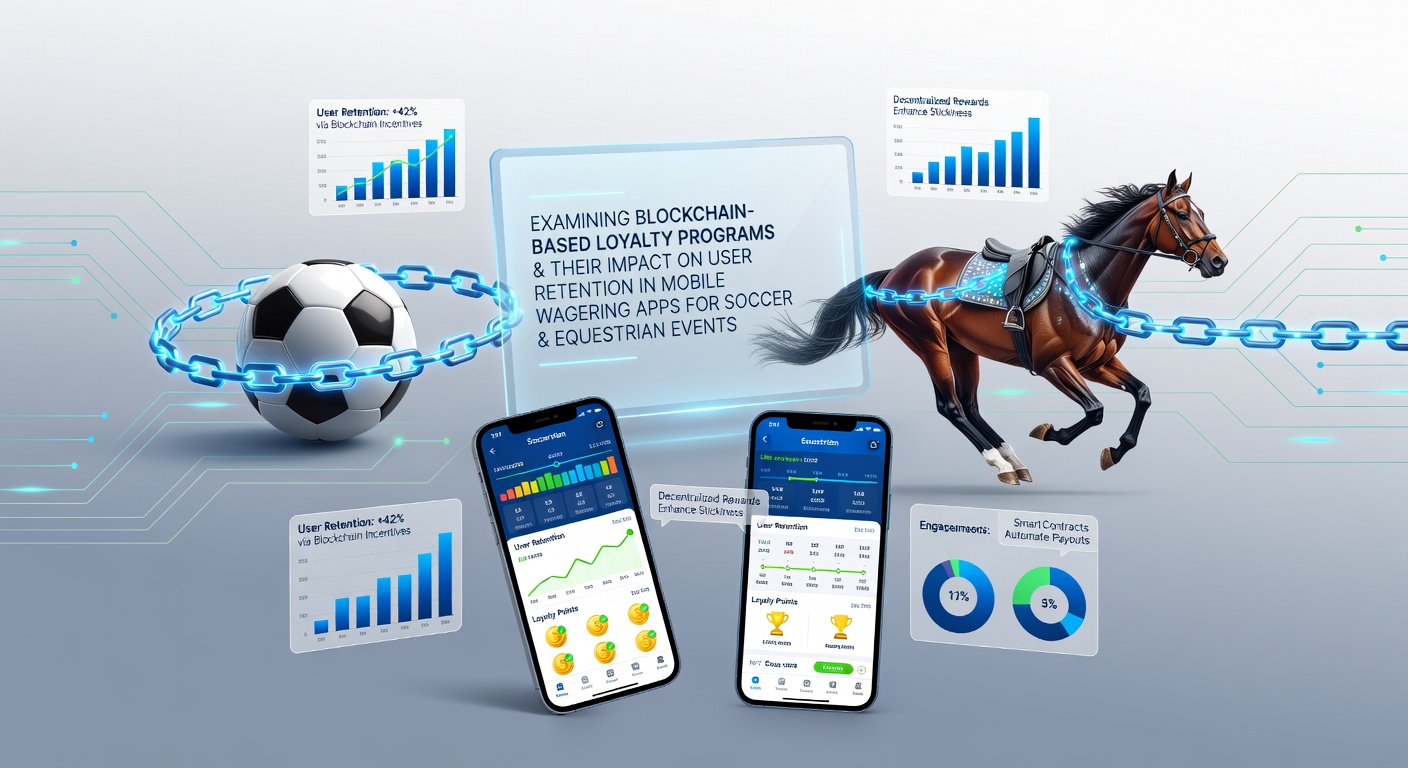
Blockchain technology has entered mobile wagering platforms through loyalty programs that record user activity on distributed ledgers, and operators apply these systems to soccer and equestrian betting applications where participants earn tokens for placing wagers on matches or races. Data from industry reports shows that several platforms introduced such programs between 2024 and 2026, with updates appearing in May 2026 that linked reward distribution directly to smart contracts verified across multiple nodes.
These programs replace traditional points systems with digital assets that users can redeem for bonuses, free bets, or merchandise, and the ledger entries create an immutable record of each transaction. Observers note that this structure allows operators to verify activity without relying on centralized databases, which reduces discrepancies during high-volume periods such as major soccer tournaments or equestrian festivals.
How Blockchain Loyalty Mechanisms Operate in Wagering Apps
Mobile applications for soccer and equestrian events integrate blockchain by assigning unique wallet addresses to registered users, and each bet triggers an automated smart contract that calculates and issues corresponding tokens. The process runs on networks that support low-latency confirmations, allowing rewards to appear in user accounts within seconds after a wager settles. Researchers have documented cases where platforms reduced reward processing times from hours to under two minutes through these contracts, according to a American Gaming Association analysis of iGaming infrastructure.
Users accumulate tokens based on wager volume, frequency, and event type, while multipliers apply during live betting windows on soccer matches or during race-day promotions for equestrian events. The tokens remain on the blockchain until redemption, which prevents duplication or unauthorized alterations because every transfer requires network consensus. Platforms also enable peer-to-peer transfers of certain rewards, although most operators restrict this feature to maintain control over promotional balances.
Applications Specific to Soccer Wagering
Soccer-focused mobile apps have adopted blockchain loyalty features that track bets across domestic leagues and international competitions, and participants receive tiered rewards when they meet volume thresholds during a season. One implementation records each goal-scoring market bet as a separate ledger entry, which later qualifies users for additional tokens if their selections align with match outcomes. Data indicates that retention rates among users who joined these programs increased by measurable margins in markets where operators launched updates in early 2026.
Live in-play betting on soccer receives particular attention because smart contracts can adjust reward rates dynamically as odds shift, and users see updated token earnings reflected immediately on their dashboards. This real-time feedback loop keeps participants engaged through extended match periods, especially during tournaments that span multiple weeks.
Integration in Equestrian Event Platforms
Equestrian wagering applications apply similar blockchain structures to bets on races at major tracks, where loyalty tokens accumulate based on stake size and race category. Programs often award extra tokens for bets placed on feature races or during special events such as Royal Ascot or the Breeders' Cup, and the distributed ledger records these bonuses with timestamps that operators audit for compliance. Studies from academic sources show that horse racing bettors who participate in token-based systems tend to maintain activity across multiple race meetings rather than concentrating wagers on single events.
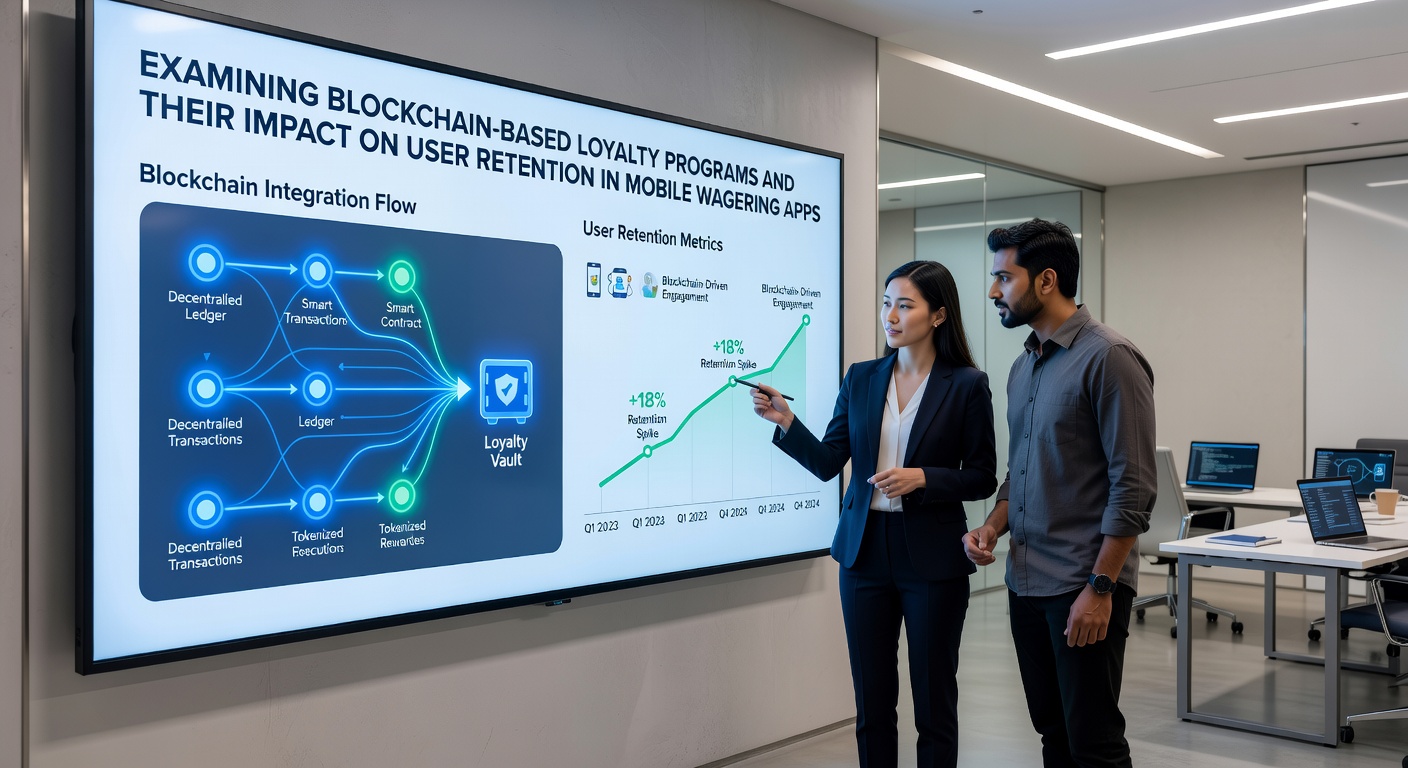
The transparency of blockchain entries also supports responsible gambling tools because users can review their complete transaction history without requesting statements from customer service. Equestrian platforms have incorporated spending limit alerts that reference the same ledger data used for reward calculations, creating a unified view of activity.
Measured Effects on User Retention
Retention metrics collected by operators reveal that blockchain loyalty participants return to applications more consistently than non-participants, with repeat login rates rising during periods that include both soccer seasons and equestrian calendars. Figures from European iGaming reviews indicate average session frequency increased when users could track token balances in real time, and redemption options expanded to include event-specific merchandise or exclusive betting credits. Platforms that introduced these programs in 2025 reported sustained activity levels through the first half of 2026, particularly among users who combined soccer and equestrian wagers within the same application.
Token economics play a direct role because redeemable value encourages continued engagement, while the immutable record reduces disputes over earned rewards. Operators have observed lower churn among users who reached higher loyalty tiers, although the exact percentage varies by market and regulatory environment.
Regulatory and Technical Considerations
Regulators in multiple jurisdictions require that blockchain-based rewards comply with existing gambling rules, and operators must demonstrate that token systems do not create unlicensed financial instruments. In Australia, oversight bodies have examined how distributed ledgers interact with player fund protections, while Canadian provincial authorities have reviewed similar implementations for transparency standards. Technical teams address scalability by selecting blockchain protocols that handle thousands of transactions per minute without compromising verification speed during peak betting windows.
Security audits focus on smart contract code and wallet integration points, and several platforms published results of these reviews in May 2026 to address user concerns about data integrity. The combination of cryptographic verification and regulatory reporting creates a framework that operators use to maintain both compliance and user trust across soccer and equestrian offerings.
Conclusion
Blockchain-based loyalty programs continue to expand within mobile wagering applications focused on soccer and equestrian events, supported by measurable retention improvements documented across multiple operator reports. The technology supplies verifiable reward tracking that aligns with live betting demands, and updates introduced through May 2026 have refined redemption processes and compliance features. As more platforms adopt these systems, data collection on long-term user behavior will provide additional insight into how distributed ledger mechanics influence engagement patterns in regulated wagering markets.