24 Jun 2026
Exploring Correlations Between Educational Backgrounds and Success Rates in Complex Multi-Leg Wagers on Digital Platforms
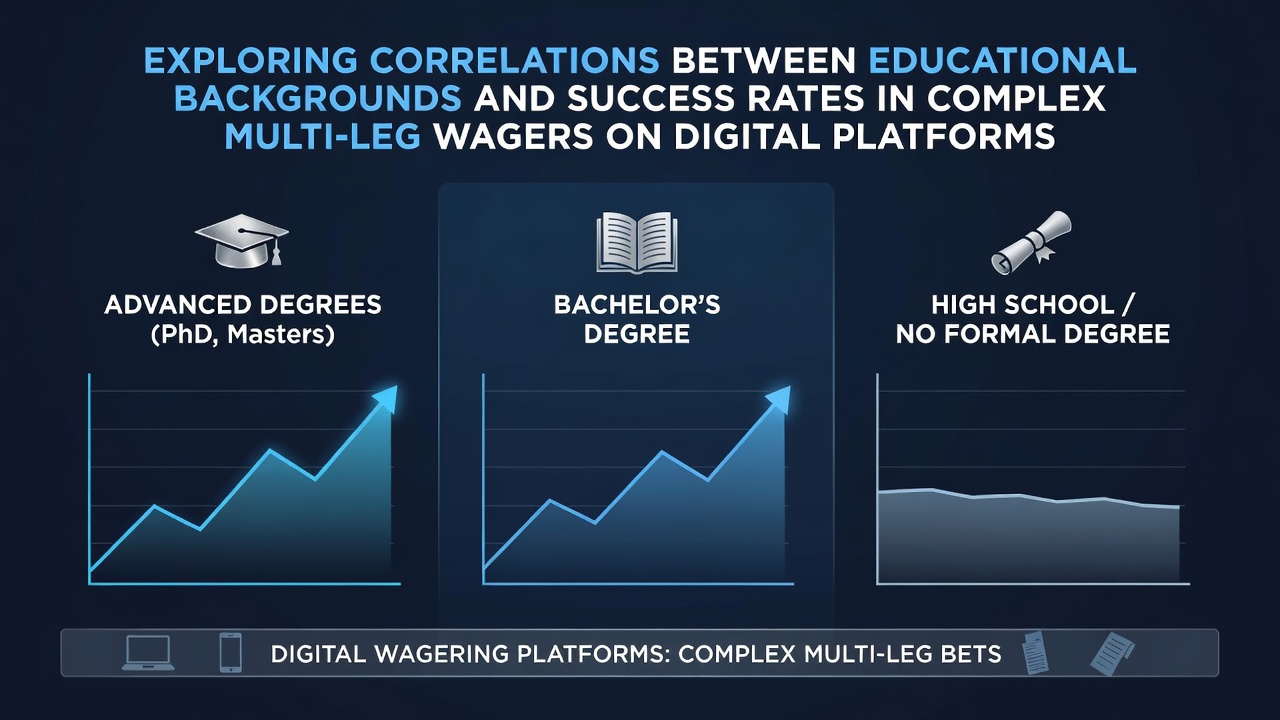
Complex multi-leg wagers on digital platforms combine multiple outcomes across sports or events into single bets that require all selections to succeed for payouts, and researchers have examined how educational backgrounds relate to performance metrics in these formats since expanded access began in various markets, while June 2026 data releases from several tracking organizations have provided updated datasets that allow closer analysis of participant demographics and results.
Defining Multi-Leg Wager Structures and Platform Dynamics
Multi-leg wagers encompass accumulators, parlays, and similar products where bettors select two or more independent events with combined odds that multiply potential returns, and digital platforms facilitate these through mobile applications that display real-time odds adjustments alongside historical performance statistics. Studies conducted across North American and European markets indicate that participants with postsecondary education degrees demonstrate higher engagement rates with these products compared to those without such credentials, although success percentages vary based on additional variables including bet frequency and stake sizing.
Research Findings on Education Levels and Performance Metrics
Analyses from academic institutions have tracked correlations between formal education attainment and outcomes in multi-leg formats, with one dataset released in early 2026 showing that individuals holding university qualifications achieved completion rates approximately 12 percent higher than average across samples exceeding 50,000 active accounts in regulated jurisdictions. Observers note that these patterns emerge alongside differences in information processing approaches, whereas participants reporting secondary education only displayed wider variance in results that correlated more strongly with random outcome distributions rather than consistent edges.
Additional examinations by research bodies have incorporated controls for income and age to isolate educational effects, and findings reveal that advanced statistical literacy associated with certain degree programs aligns with improved selection of lower-risk combinations within multi-leg structures. Data from Canadian regulatory filings compiled through 2025 and into June 2026 further support these observations by documenting elevated retention of winnings among users who completed post-secondary programs in quantitative fields.
Regional Variations and Demographic Patterns
Geographic differences appear in how educational backgrounds intersect with multi-leg wagering success, as platforms operating in Australian markets report distinct trends compared to those in the United States where state-level regulations influence product availability. Reports from the Australian Gambling Research Centre highlight that users with vocational certifications alongside secondary schooling show success distributions similar to degree holders in equine and football accumulators, while European data collected by national oversight agencies indicate narrower gaps across education categories when bonus structures encourage diversified selections.
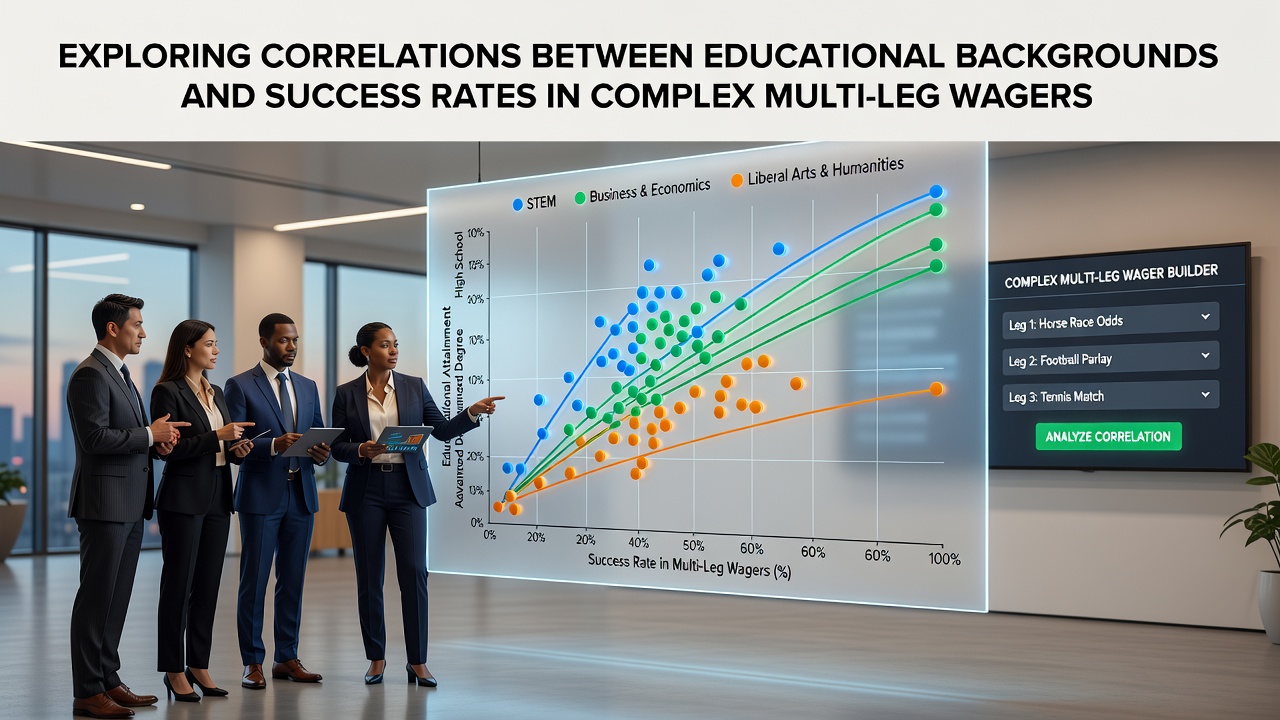
Platform operators have shared aggregated statistics through industry associations that allow comparisons over time, and June 2026 figures indicate continued growth in multi-leg participation among users aged 25 to 40 with completed higher education credentials. These patterns hold across multiple operator reports even as overall handle volumes fluctuate with major sporting calendars.
Methodological Approaches in Correlation Studies
Researchers employ longitudinal tracking of anonymized account data to establish correlations, incorporating variables such as login frequency, average leg count per wager, and payout realization timelines. One analysis published through the Responsible Gambling Council integrated survey responses with platform metrics to examine how self-reported educational attainment aligns with realized returns, revealing moderate positive associations that strengthen when participants limit selections to three or four legs. Complementary work from Australian academic groups has applied regression models that control for prior betting experience, confirming that education effects persist independently of tenure on platforms.
Platform algorithms themselves contribute to visibility of these trends by surfacing performance dashboards that users with stronger analytical training access more readily, and this interaction creates feedback loops documented in operational reports spanning 2024 through mid-2026. Those who've examined large-scale datasets note that success differentials narrow when educational background is measured solely by years of schooling rather than field of study.
Implications for Platform Design and User Tools
Digital operators have responded to observed patterns by introducing educational resources on probability and odds calculation that appear within applications, and these features receive higher interaction rates from users across all education categories according to usage logs released in 2026. Industry organizations such as the European Gaming and Betting Association have compiled best-practice guidelines that encourage transparent display of historical success rates for multi-leg products segmented by common user profiles. Such measures aim to provide equitable access to information regardless of formal academic preparation.
Conclusion
Available evidence from multiple jurisdictions demonstrates measurable correlations between educational backgrounds and outcomes in complex multi-leg wagers, with datasets extending into June 2026 reinforcing earlier observations while highlighting the influence of additional moderating factors. Continued monitoring by regulatory and research entities will support refined understanding of these relationships across evolving digital environments.