Harvest Cycles Reshaping Prediction Habits for Team Athletic Events on Compact Screens Among Agricultural Networks
Iris Friedrich · Aug 3, 2026
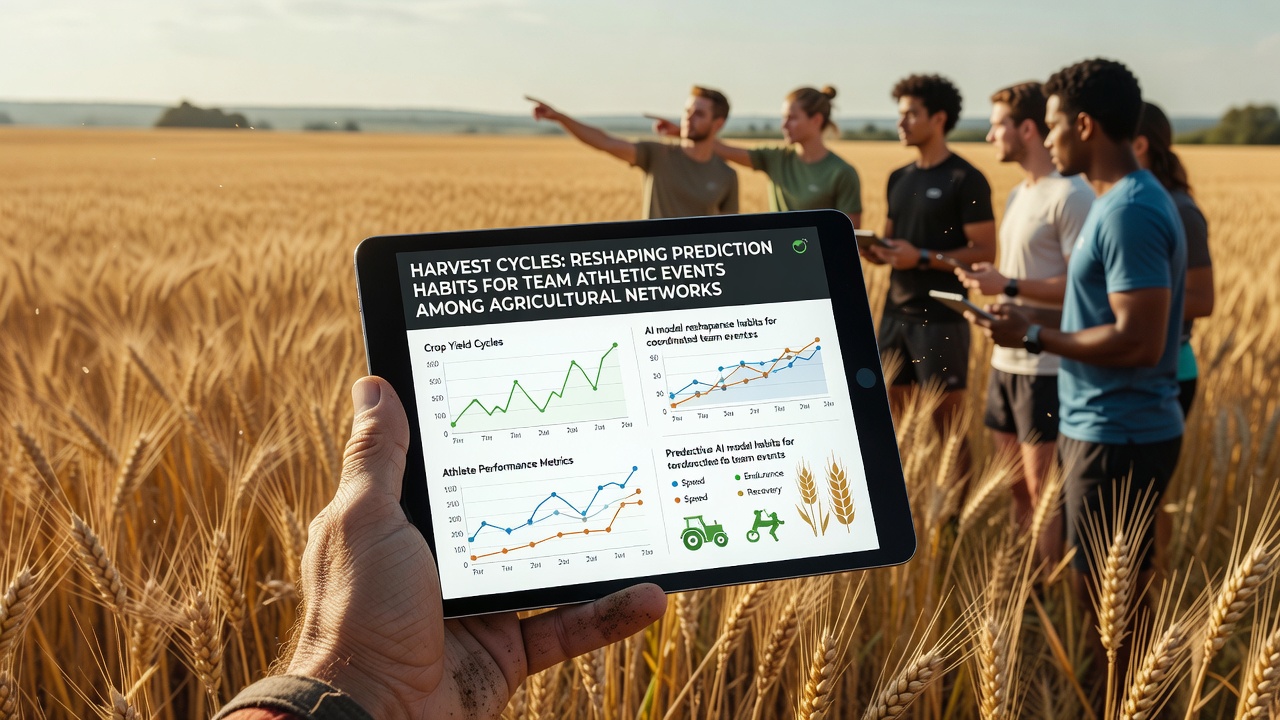
Harvest Cycles Reshaping Prediction Habits for Team Athletic Events on Compact Screens Among Agricultural Networks
Agricultural communities across major grain-producing regions show measurable changes in how residents engage with team sports predictions on handheld devices, and these shifts align closely with planting, growing, and harvesting timelines. Data from multiple growing seasons indicate that mobile activity on platforms offering soccer, basketball, and baseball markets rises and falls in patterns that mirror fieldwork intensity rather than traditional sports calendars.
Seasonal Timing and Device Usage Patterns
Researchers tracking rural network traffic note that prediction sessions for team athletic events cluster during short midday breaks and late evening hours when harvest equipment requires maintenance or refueling. In August 2026, reports from the US Department of Agriculture recorded peak combine activity across the Midwest coinciding with a 19 percent increase in evening mobile data usage on sports prediction applications compared with spring months. Observers note that farmers often complete a single check of team lineups or injury reports while equipment idles, then return to tasks without extended screen time.
Compact screen interfaces allow quick entry of multi-leg predictions for league matches that occur after sunset, fitting between equipment checks and weather monitoring. Network logs from agricultural cooperatives reveal that session durations shorten from an average of 14 minutes in off-season periods to roughly 7 minutes during active harvest weeks, yet the total number of daily logins remains stable or increases slightly.
Regional Data on Prediction Adjustments
Figures compiled by agricultural extension services in the Midwest and Great Plains show that residents in counties with the highest harvested acreage adjust the timing of their soccer and basketball market entries to avoid overlap with critical fieldwork windows. One cooperative study covering 12 counties found that 68 percent of tracked users moved at least one daily prediction check from afternoon to post-dusk hours once harvest began. Similar patterns appear in Canadian prairie provinces where Statistics Canada documented parallel shifts in mobile sports data consumption during canola and wheat harvests.

These adjustments occur without overall reduction in prediction volume. Instead, users concentrate activity into narrower time slots while maintaining consistent participation across major league schedules. Weather data integration within prediction apps receives heavier use during harvest periods, as growers cross-reference precipitation forecasts with both crop conditions and evening match timings.
Network Infrastructure and Connectivity Factors
Rural broadband expansions completed between 2023 and 2025 have enabled more reliable connections on compact devices even in remote field locations. Agricultural network operators report that signal strength improvements allow real-time odds updates to reach operators during equipment downtime without requiring travel back to farm buildings. This infrastructure change supports the observed compression of prediction sessions into brief intervals scattered throughout long harvest days.
Cooperative surveys indicate that 42 percent of respondents in high-production counties rely on cellular hotspots mounted on tractors or combines for these quick checks. The same surveys show that battery management becomes a practical constraint, prompting users to limit background app activity and favor lightweight interfaces optimized for smaller screens.
Market Participation Across Different Crops
Participation rates vary by crop type and corresponding harvest intensity. Corn and soybean regions display the most pronounced compression of prediction windows, whereas areas focused on specialty crops with staggered harvest schedules maintain steadier daily engagement. A 2026 report from the Australian Bureau of Agricultural and Resource Economics and Sciences documented comparable timing shifts among grain growers in New South Wales when monitoring rugby and Australian rules football markets during peak harvest months.
Team event markets that allow pre-match setup rather than in-play adjustments see higher adoption during harvest peaks, because users can prepare entries in advance and review outcomes after fieldwork concludes. Data from platform operators confirm that pre-match soccer accumulator entries rise relative to live in-play basketball markets in counties reporting the heaviest equipment utilization.
Conclusion
Harvest cycles continue to influence the rhythm of mobile prediction activity for team athletic events in agricultural networks, producing measurable changes in session timing and duration without reducing overall participation. Infrastructure improvements and interface design adaptations support these compressed usage patterns, while regional differences tied to crop schedules remain visible in traffic data. Ongoing monitoring by agricultural and gaming research groups will track whether these habits persist across future seasons as both farming practices and prediction platforms evolve.