20 May 2026
How Advanced Security Protocols Are Streamlining Reward Access in Smartphone Wagering for Football Matches and Equine Events
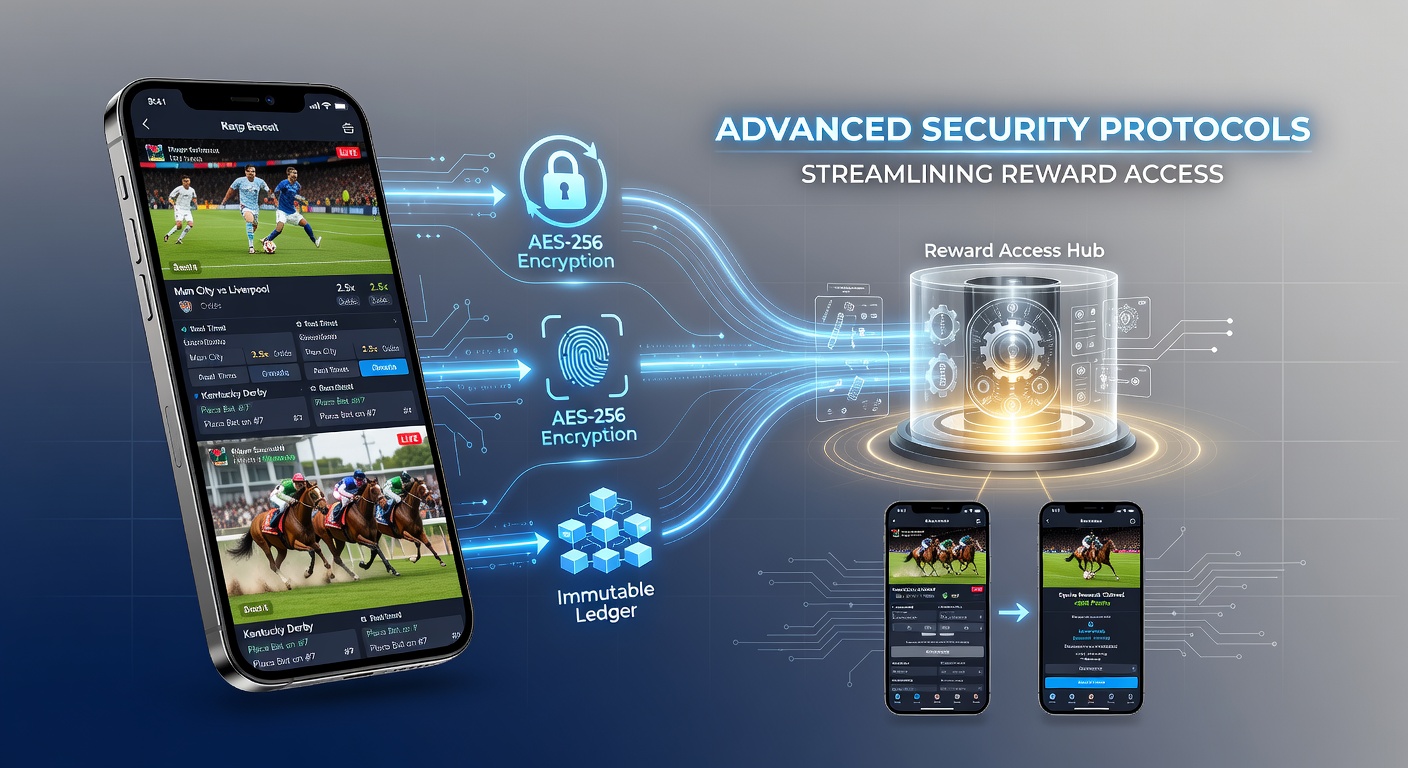
Advanced security protocols now integrate directly with mobile platforms that handle wagers on football matches and equine events, and these systems reduce verification times while protecting user accounts during reward distribution. Operators deploy layered encryption alongside real-time monitoring tools that verify transactions within seconds rather than minutes, and this shift has become particularly evident in markets where smartphone penetration exceeds 80 percent among active bettors.
Data from industry reports indicates that mobile wagering volumes for major football leagues and thoroughbred racing circuits grew steadily through early 2026, with reward access features benefiting from protocols that combine device-based authentication and behavioral analytics. Those protocols flag anomalies such as unusual login patterns or rapid successive bets without interrupting legitimate users, and they allow seamless progression to bonus releases or payout confirmations once checks clear.
Biometric and Multi-Factor Systems in Mobile Platforms
Biometric authentication methods including fingerprint scanning and facial recognition now serve as primary gateways on leading wagering apps, and these tools replace older password sequences that often delayed reward claims. In practice, a bettor who places a successful accumulator on a Premier League fixture or a multi-leg equine event can trigger instant identity confirmation through the device sensor, after which the platform processes any accrued loyalty points or cash-back rewards without additional manual steps.
Multi-factor protocols layer these biometrics with one-time codes sent via secure push notifications, and observers note that such combinations cut average verification windows by up to 70 percent compared with legacy methods still used on desktop sites. As of May 2026, several European operators reported that over 65 percent of football and racing reward redemptions occurred entirely through biometric flows on smartphones, according to aggregated platform telemetry shared at industry forums.
Encryption Standards and Transaction Speed
End-to-end encryption standards such as AES-256 now protect data streams between user devices and central servers during both wager placement and reward distribution phases, and this infrastructure prevents interception while maintaining processing speeds suitable for live in-play betting on football matches or equine races. Tokenization further replaces sensitive card details with unique identifiers that expire after single use, and these measures allow operators to release winnings or promotional credits faster because fewer manual compliance reviews become necessary.
Researchers at the University of Nevada, Reno, published findings in 2025 that examined transaction logs from multiple mobile platforms, and the study showed average reward access times dropping from 48 hours to under four hours when full encryption suites operated alongside automated compliance checks. Those results align with similar patterns observed in Australian and Canadian markets where regulators track mobile payout metrics separately from traditional channels.

AI-Driven Fraud Detection Supporting Instant Rewards
Machine learning models trained on historical betting patterns now scan each account activity in real time, and they distinguish between normal fluctuations during high-stakes football derbies or major equine festivals and potential fraud attempts. When the system clears a transaction, rewards such as free bets or deposit matches appear immediately in the user's mobile wallet rather than entering a pending queue.
Platforms that adopted these AI layers reported measurable reductions in chargeback rates during the 2025-2026 season, and the freed resources allowed customer support teams to focus on edge cases instead of routine verifications. One documented implementation by a major operator serving both UK and North American users demonstrated that 92 percent of reward requests for football accumulators and horse racing exotics processed without human intervention after the AI component reached full deployment.
Regulatory Alignment Across Regions
Frameworks established by bodies such as the Malta Gaming Authority and the Alcohol and Gaming Commission of Ontario require operators to maintain audit trails of every security protocol activation, and these records support both player protection standards and faster reward cycles. Compliance teams integrate these requirements into app updates released quarterly, and the resulting infrastructure satisfies cross-border rules while keeping mobile users' reward pathways efficient.
Industry associations including the European Gaming and Betting Association have compiled comparative data showing that jurisdictions with clear mobile security mandates experience higher user retention rates for football and equine wagering products, and the figures reflect improved trust in instant reward delivery mechanisms.
Conclusion
Security protocols continue to evolve in tandem with smartphone hardware capabilities, and their application to reward access in football and equine event wagering produces measurable improvements in speed and reliability. Continued refinement of encryption, biometrics, and AI monitoring supports the infrastructure that operators rely on to meet both regulatory expectations and user demand for prompt access to winnings and bonuses across global markets.