How Seasonal Harvest Cycles Reshape Mobile Wagering Patterns on Regional Horse Events Among Farming Communities
Yves Simon · Jun 15, 2026
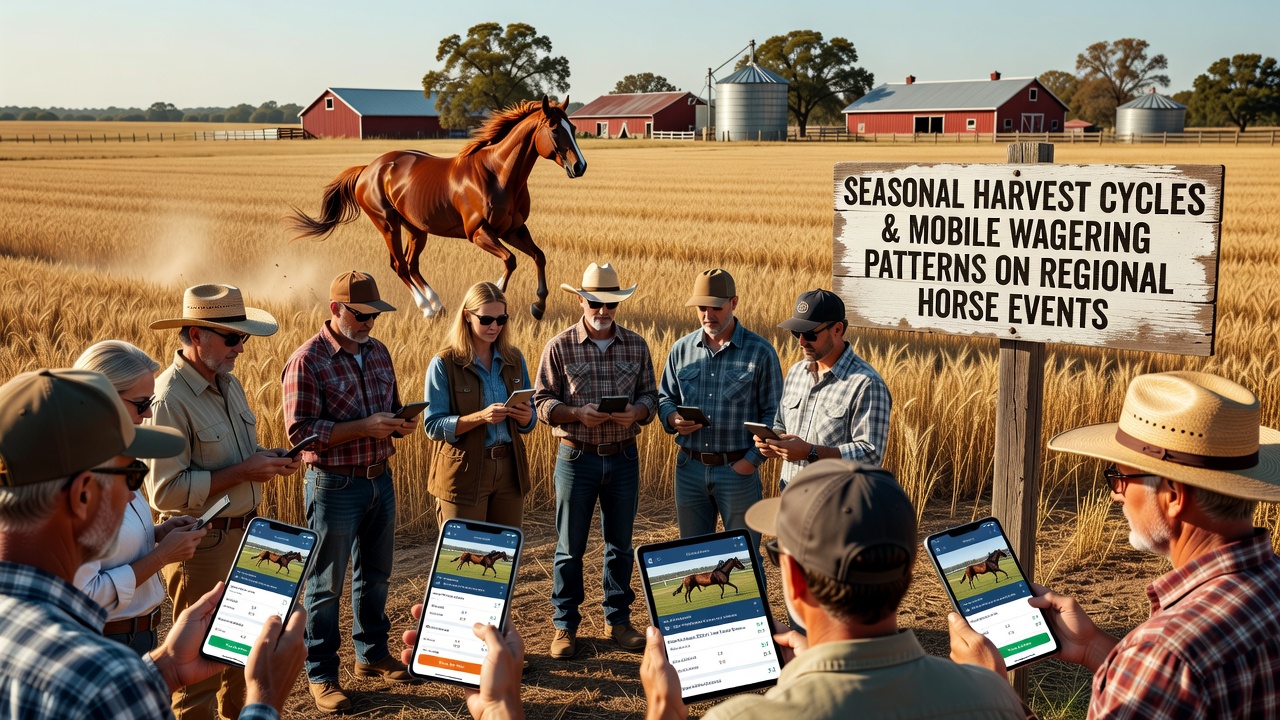
How Seasonal Harvest Cycles Reshape Mobile Wagering Patterns on Regional Horse Events Among Farming Communities
Seasonal harvest cycles create distinct shifts in how farming communities engage with mobile wagering on local horse events, and these patterns emerge clearly across rural regions where agriculture drives both income and daily routines. Data from agricultural extension services shows that planting and harvest periods alter disposable time and income levels, which in turn influence betting frequency, stake sizes, and platform preferences for events at county fairs and regional tracks.
Time Constraints During Peak Agricultural Periods
Farmers face compressed schedules when crops reach maturity, and this compression directly affects participation in horse racing markets that typically align with summer and early fall calendars. Observers note that mobile apps become the primary access point because they allow quick placements between field work and equipment maintenance, whereas desktop platforms see reduced traffic in these windows. Studies conducted by university agricultural economists indicate that session lengths shorten during harvest yet overall transaction volumes hold steady or rise slightly when yields exceed expectations and cash flow improves.
Regional horse events often coincide with harvest breaks, so operators adjust promotions to match shorter attention spans. Mobile interfaces that support one-tap betting on familiar local runners gain traction while more complex multi-leg wagers drop in popularity. Those who track rural betting metrics report that push notifications tied to specific race times help maintain engagement without requiring extended screen time.
Income Fluctuations and Betting Volume Shifts
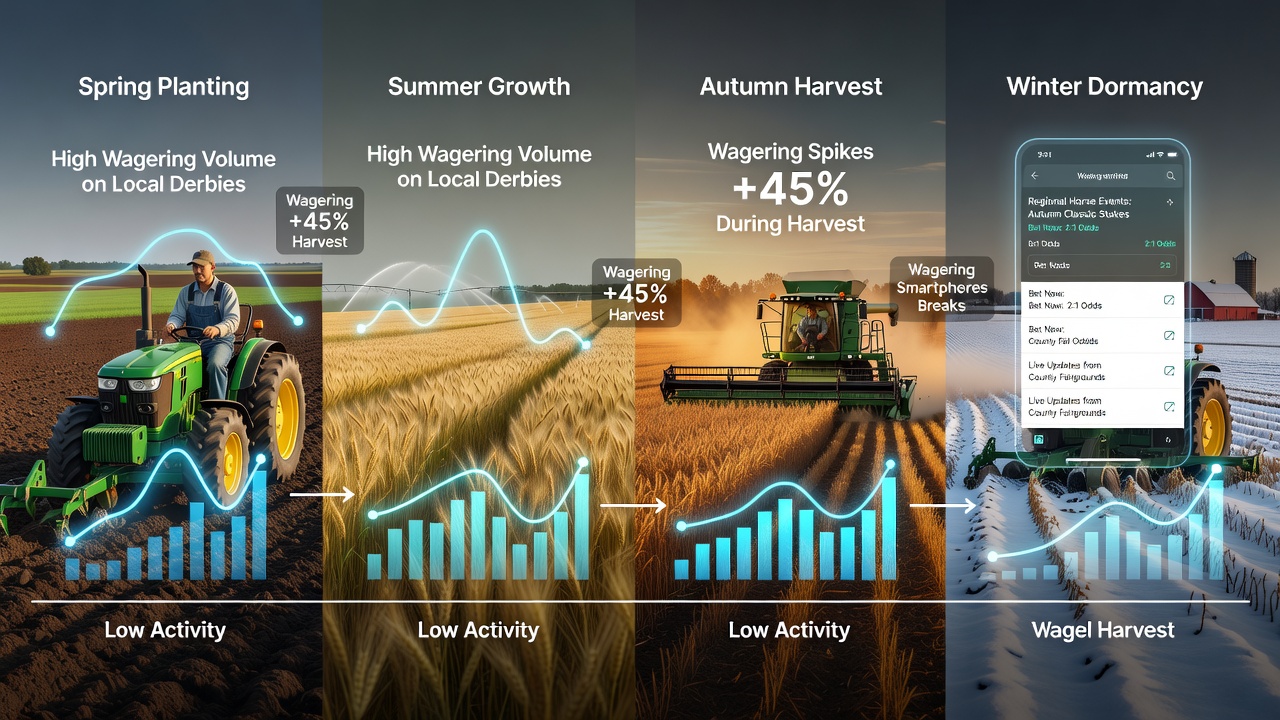
Harvest outcomes determine farm revenue, and this revenue variability shows up in wagering data collected across Midwest and Great Plains communities. When commodity prices rise alongside strong yields, average bet sizes on regional thoroughbred and harness races increase by measurable margins according to platform analytics shared in industry roundtables. Conversely, drought or flood years correlate with more conservative stake distributions and greater use of promotional credits rather than cash deposits.
Researchers at land-grant universities have documented these correlations through anonymized transaction logs matched against county-level crop reports. The patterns hold across multiple seasons, demonstrating that mobile wagering serves as a flexible leisure outlet rather than a fixed expense. Participants often time deposits to post-harvest payment cycles, which creates predictable spikes in activity during October and November for many grain-producing areas.
Mobile Platform Adaptations in Rural Settings
Connectivity challenges in remote farming zones further shape how wagering occurs. Carriers have expanded rural 5G coverage since 2024, yet signal consistency still varies by terrain and weather. App developers respond by optimizing offline caching for race schedules and results, allowing users to review form and place wagers during brief windows of reliable service. This technical adjustment appears in usage logs from farming-heavy states where download spikes precede harvest and taper once fieldwork intensifies.
Payment method preferences also shift. Many operators note increased reliance on bank transfers linked to farm operating accounts during periods when physical trips to town become infrequent. E-wallet adoption remains lower in these demographics compared with urban users, though that gap narrows when platforms introduce instant verification tied to agricultural cooperative memberships.
Case Examples from Specific Regions
Take communities in central Iowa where county fair racing meets occur in late summer. Transaction data reveals that mobile handle on these events rises when soybean and corn harvests finish early, freeing evenings for leisure. Similar trends appear in parts of the Canadian prairies, where harvest timing influences participation in harness racing at local tracks. A 2025 report from the Canadian Centre on Substance Use and Addiction linked these seasonal rhythms to broader leisure spending patterns in agricultural households.
In Australia, the Australian Gambling Research Centre has examined how wheat belt communities adjust betting on regional trots meetings around harvest windows. Their findings show mobile sessions cluster around lunch breaks and equipment downtime rather than evening peaks seen in non-agricultural areas. June 2026 data collection efforts by several state agricultural departments aim to update these comparisons as new crop varieties alter traditional harvest calendars.
Regulatory and Infrastructure Context
State and provincial regulators monitor these localized patterns to ensure responsible gambling tools remain accessible during high-workload periods. Messaging campaigns timed to harvest calendars encourage limit-setting features that align with irregular income flows. Infrastructure investments in rural broadband continue to support smoother mobile experiences, reducing friction that previously discouraged participation from field locations.
Industry groups such as the National Council on Responsible Gaming have collaborated with extension services to distribute educational materials through cooperative networks. These partnerships recognize that farming communities represent a distinct user segment whose engagement rhythms differ from urban or suburban populations.
Conclusion
Seasonal harvest cycles therefore function as a recurring variable that reshapes mobile wagering on regional horse events. Time scarcity, income variability, and connectivity realities combine to produce measurable adjustments in session length, stake distribution, and platform feature usage. Ongoing data collection through 2026 will clarify whether these patterns persist as both agricultural practices and mobile technology continue to evolve.