How Tide Schedules Reshape Deposit Timing for Coastal Event Wagering Platforms
Harper Baumann · Aug 5, 2026
How Tide Schedules Reshape Deposit Timing for Coastal Event Wagering Platforms
Coastal event wagering platforms handle bets on activities such as surf competitions, fishing derbies, and boat races where tide cycles directly determine start times and participant availability. Observers note that these platforms record shifts in deposit activity that align with predictable tidal patterns rather than standard calendar schedules.
Tide Cycles and Event Scheduling
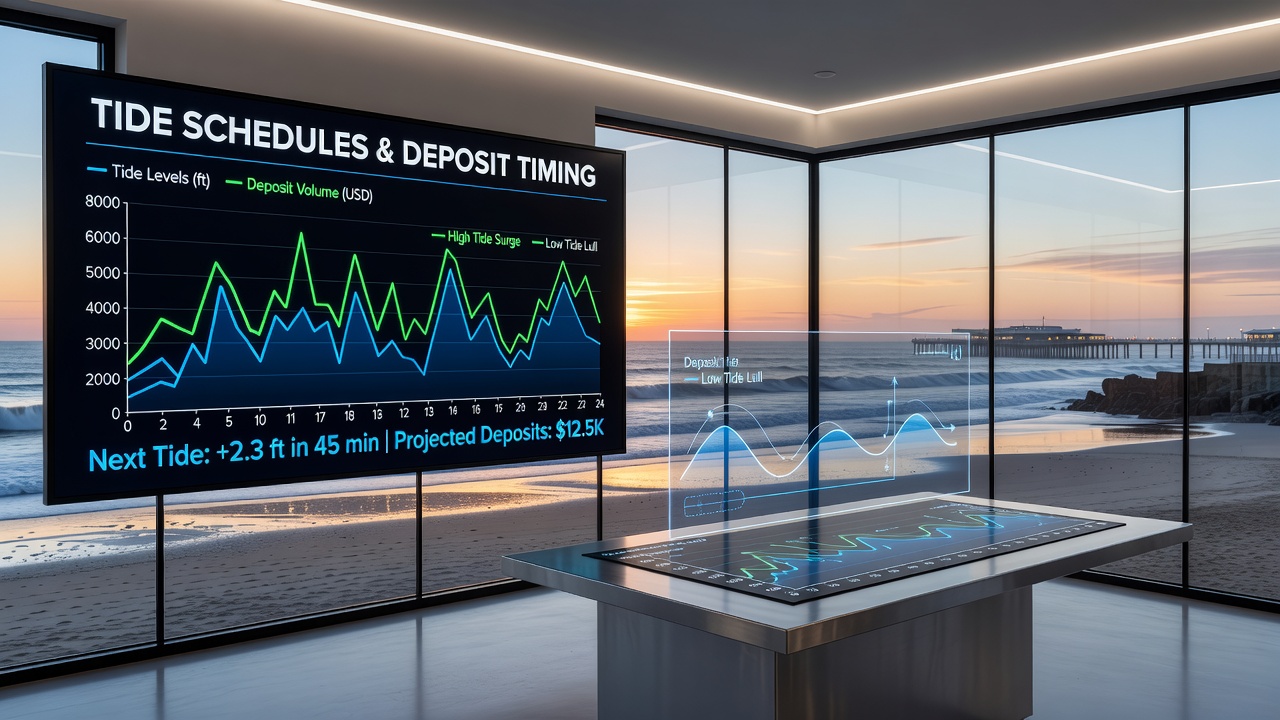
Tidal movements create recurring windows when events become feasible, and data from coastal monitoring stations shows that high and low tides alter water depths, currents, and beach access on hourly and daily bases. Researchers tracking event calendars in regions like the Gulf Coast and Pacific Northwest have documented how organizers adjust start times by several hours to match optimal conditions, which in turn moves the window for wager placement. Those who monitor platform metrics report that bettors often complete deposits in the hours leading up to these adjusted windows, creating clustered transaction volumes that differ from inland sports betting patterns.
August 2026 brought extended daylight combined with spring tide sequences along the Atlantic seaboard, and records indicate several surf adn kayak events shifted their start times by up to four hours. Platform operators responded by extending deposit cutoffs to match the new schedules, while users coordinated funding transfers around low-tide access periods that affected mobile signal reliability at remote launch sites.
User Deposit Behavior Under Tidal Influence
Studies of transaction logs reveal that coastal bettors frequently align deposits with the 48-hour period before major tidal events rather than spreading activity evenly across the week. One analysis of regional data found peak deposit volumes occurring between 6 a.m. and 10 a.m. local time on days when morning low tides opened beach access for equipment staging. This pattern emerges because participants need confirmed funds before committing to travel or equipment rentals that depend on tide-dependent logistics.
Payment processors serving these platforms have adjusted their notification systems to flag incoming tidal forecasts, allowing users to receive alerts that combine event timing with recommended deposit windows. Figures from multiple coastal markets show that same-day deposit success rates rise when platforms integrate tide tables directly into their scheduling interfaces.

Platform Adjustments and Infrastructure Responses
Operators have introduced features that display real-time tide data alongside betting markets, and developers integrated these displays after observing consistent mismatches between fixed deposit deadlines and tide-shifted event starts. According to records maintained by the National Oceanic and Atmospheric Administration, average tidal ranges vary significantly by location, requiring platforms to maintain location-specific timing rules rather than uniform national cutoffs.
Some services now allow users to set personal deposit reminders tied to specific tide stages, and internal metrics indicate higher completion rates when these reminders activate during the rising tide phase that precedes many water-based competitions. Payment gateways serving coastal users report fewer declined transactions when processing volumes are distributed across tide-adjusted intervals instead of concentrated at midnight cutoffs.
Regional Data and Comparative Trends
Comparative reviews of transaction data across different coastlines show that Gulf of Mexico platforms experience more frequent schedule adjustments due to larger tidal swings, whereas Pacific platforms record steadier but lower-amplitude shifts. A 2025 industry report compiled by the Australian Gambling Research Centre noted similar timing adaptations among operators handling coastal recreational events, although the Australian findings focused on seasonal rather than daily tidal influences.
Those examining cross-border activity observe that users traveling between tide zones often maintain multiple platform accounts to accommodate differing cutoff times. This behavior creates additional verification steps for operators, yet it also generates more granular data on how tidal forecasts influence funding patterns across time zones.
Conclusion
Tide schedules continue to influence deposit timing on coastal event wagering platforms through direct effects on event feasibility and indirect effects on user logistics. Platforms that incorporate tidal data into their interfaces demonstrate measurable alignment between deposit activity and actual event windows, while payment systems adapt notification and cutoff procedures to match these recurring environmental patterns. Ongoing collection of transaction and tidal data will likely refine these operational adjustments as more coastal markets adopt integrated scheduling tools.