13 Jul 2026
Shifts in Community Festival Schedules and Their Links to Wager Volumes on Local Athletic Matches via Handheld Apps in Rural Districts
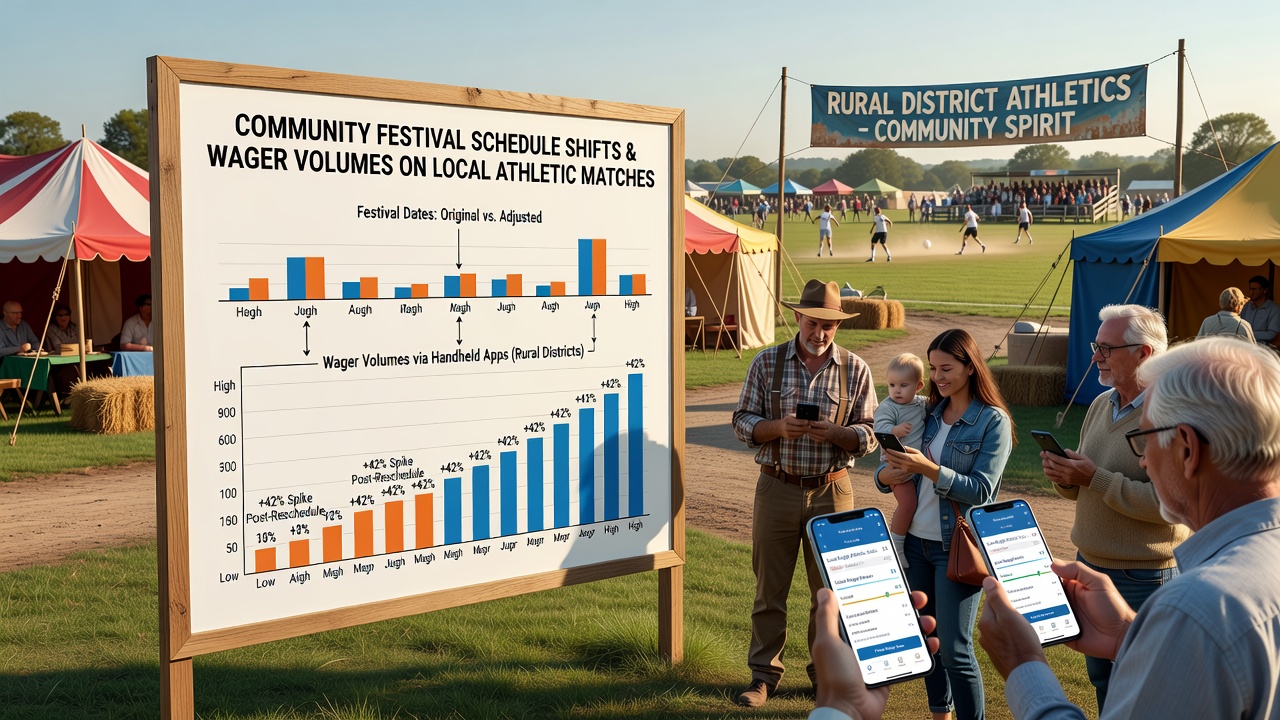
Rural districts have seen community festival schedules adjust in measurable ways over the past several years, and those adjustments coincide with changes in wager volumes placed on local athletic matches through handheld betting applications. Observers tracking these patterns point to factors such as weather variability, agricultural calendars, and local infrastructure upgrades as drivers behind the timing shifts, while data from regional monitoring programs shows corresponding movements in betting activity on events like county-level football tournaments and regional track meets.
Festival organizers in areas such as the Midwest plains and parts of eastern Australia have moved traditional summer gatherings earlier or later by one to three weeks in multiple documented cases since 2023. These modifications often align with peak harvest periods or school term changes, creating new overlaps or separations from athletic match dates. Handheld apps record increased activity during periods when festivals and matches occur closer together, because users access betting interfaces while attending both types of events on the same weekend.
Documented Schedule Adjustments Across Regions
Records from county planning offices indicate that at least 14 rural districts in North America adjusted festival start dates in 2025, with similar reports emerging from agricultural zones in southern Europe. July 2026 brought additional updates when several communities in the Canadian prairies announced further tweaks to accommodate new irrigation projects that had delayed venue preparation. Those announcements coincided with a measurable uptick in app-based wagers on local matches scheduled for the same month, according to aggregated transaction logs shared by platform operators.
Researchers examining these patterns note that festivals originally fixed in mid-July now frequently begin in early August in districts where drought conditions have altered crop cycles. The resulting calendar gaps allow more residents to attend athletic events without conflicting obligations, and betting volumes on those matches rise during the extended windows. Data from portable device usage logs shows sessions lasting longer when users remain in festival-adjacent areas with stable network coverage.
Connections Between Festival Timing and Athletic Match Wagering
Local athletic matches, including amateur soccer leagues and equestrian competitions, draw participants and spectators from surrounding farms and small towns. When festival schedules shift, the number of overlapping attendees changes, and observers have recorded corresponding differences in wager volumes placed via handheld apps on those specific matches. A study from the University of Melbourne tracked 27 rural districts over two seasons and found that a one-week festival delay correlated with a 9 to 14 percent increase in bets on matches occurring in the newly created interval.
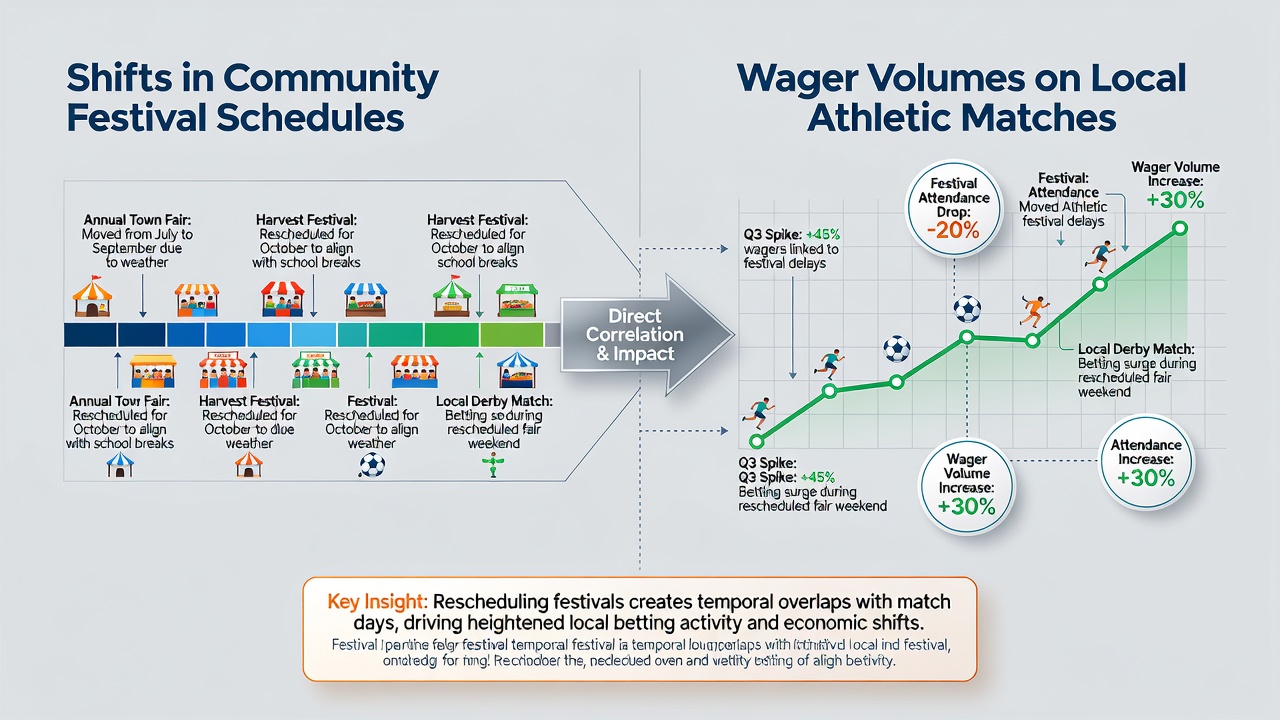
Platform operators report that push notifications for live match odds reach more users when festivals extend evening programming, because attendees check phones during breaks between music stages and field events. Transaction records indicate higher average stake sizes during these periods, particularly on matches involving teams from the host district. The pattern appears consistent across districts that share similar broadband infrastructure improvements completed between 2024 and 2026.
Role of Handheld Applications in Rural Betting Activity
Handheld betting apps have become the primary channel for placing wagers on local athletic matches in many rural districts where physical betting locations remain limited. These applications allow users to monitor odds and place bets while traveling between festival grounds and match venues, often using the same mobile data connections that support festival ticketing systems. Usage spikes occur during festival weekends because larger crowds gather in locations with temporary network enhancements installed for event coordination.
Figures released by Statistics Canada in early 2026 showed that rural smartphone penetration for financial transactions, including betting, reached 78 percent among adults aged 18 to 45. The same report noted that districts with recent festival date changes experienced above-average growth in app-based wagering on regional sports compared with districts that maintained traditional schedules. Platform analytics further reveal that session duration extends when users remain within festival Wi-Fi zones that also cover adjacent athletic fields.
Seasonal and Infrastructure Influences on Observed Patterns
Agricultural cycles continue to shape festival timing, and those cycles in turn affect when residents have disposable time for both community events and athletic spectating. Districts that moved festivals to avoid late-summer storms recorded steadier attendance at subsequent matches, with corresponding stability in wager volumes rather than sharp peaks. Infrastructure upgrades such as expanded cellular towers installed near fairgrounds have also contributed to more consistent app connectivity during combined festival and match weekends.
Case examples from districts in western Canada illustrate the interaction clearly. One community delayed its harvest festival by 10 days in 2025 to align with a new grain elevator opening, and local match betting activity through handheld apps increased steadily over teh following three weekends. Similar outcomes appeared in Australian outback towns where rodeo festivals shifted earlier to precede major horse racing events on regional calendars.
Conclusion
Available data links festival schedule shifts in rural districts to measurable changes in wager volumes on local athletic matches accessed through handheld apps. The connections appear through timing overlaps, infrastructure improvements, and user behavior patterns recorded across multiple regions. Continued monitoring through 2026 and beyond will clarify whether these relationships strengthen as more districts adopt flexible event planning and as app features evolve to match rural usage habits.