Tracing Cryptocurrency Adoption Patterns Among Niche Equine Event Platforms in Emerging Markets
Harper Baumann · Jun 8, 2026
Tracing Cryptocurrency Adoption Patterns Among Niche Equine Event Platforms in Emerging Markets
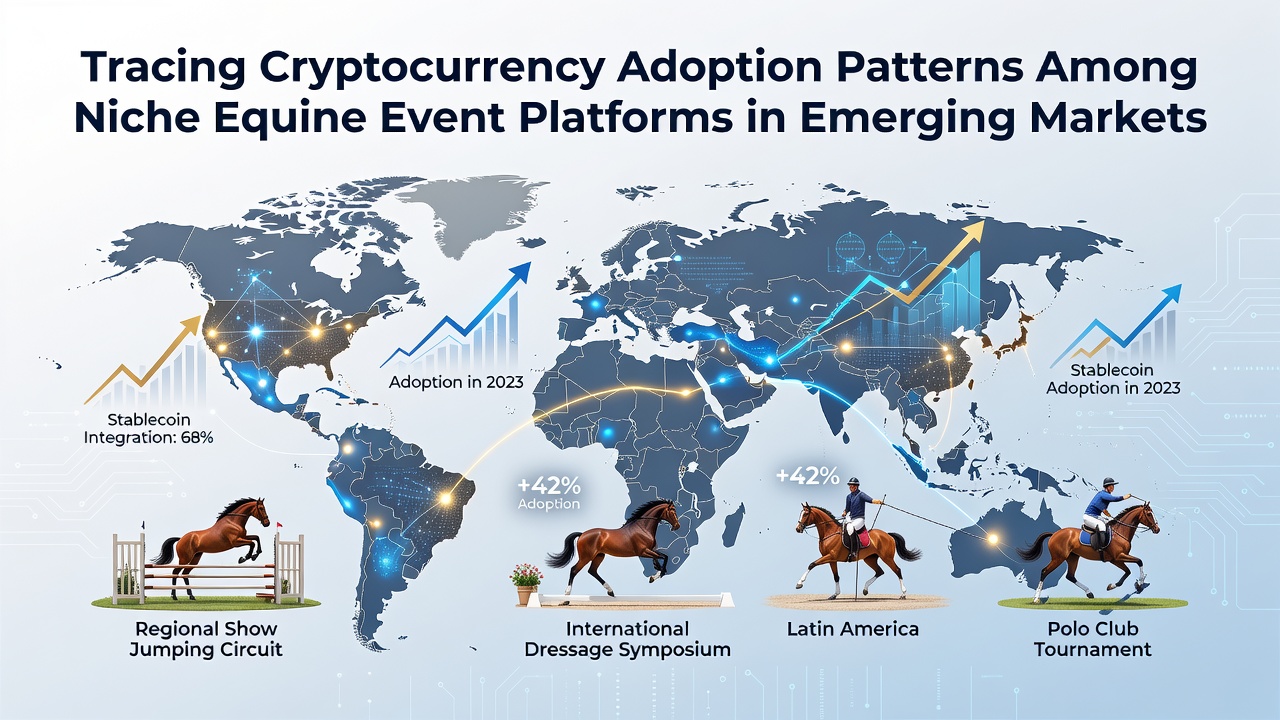
Emerging markets have shown steady shifts toward cryptocurrency integration on platforms that focus on niche equine events such as regional horse racing circuits and specialized equestrian competitions. Data from mid-2026 indicates that adoption rates climbed noticeably between January and June of that year as transaction volumes in digital assets rose across platforms operating in Latin America and parts of Southeast Asia.
Researchers tracking these patterns note that platforms in Brazil and Indonesia recorded the highest percentage increases in crypto-based entries for event registrations and wagering during the first half of 2026. These systems allow participants to use stablecoins and major cryptocurrencies for entry fees, prize distributions, and real-time settlements, which reduces reliance on traditional banking infrastructure that often faces delays in rural areas where many equine events take place.
Regional Growth Indicators Through June 2026
Figures compiled by regional fintech observatories reveal that transaction throughput on equine-focused platforms in Brazil increased by 34 percent when measured against the same period in 2025. Observers attribute part of this rise to regulatory clarity issued by the Central Bank of Brazil in late 2025, which outlined licensing pathways for digital asset service providers serving entertainment and sporting sectors. Similar upticks appeared in Indonesia where platforms reported a 28 percent expansion in crypto settlements tied to local horse racing calendars.
Platforms in these markets often combine cryptocurrency wallets with existing mobile applications that already handle event logistics. Users complete payments through QR codes or direct wallet transfers, and the funds reach organizers within minutes rather than the multi-day clearing times common with cross-border wire services. This speed matters during peak seasons when multiple regional events overlap and organizers need immediate access to entry revenues for prize pools and venue costs.
Key Drivers Behind the Shift
Lower transaction fees represent one consistent factor cited across multiple platform reports. Cryptocurrency transfers typically carry costs between 0.5 and 2 percent compared with the 4 to 7 percent range associated with international card processing or money transfer operators. In addition, cryptocurrency networks operate continuously, which aligns with the irregular schedules of niche equine events that frequently occur on weekends or during national holidays when traditional banks remain closed.
Another element involves currency volatility management. Platforms in countries experiencing rapid local currency fluctuations have introduced stablecoin options pegged to the US dollar or regional baskets. Participants therefore avoid losses that can occur between the moment they register and the date of the actual event. Data from platforms operating in Argentina and Nigeria shows that stablecoin usage accounted for 61 percent of all crypto transactions processed in the equine segment during the spring of 2026.
Platform-Level Implementation Examples
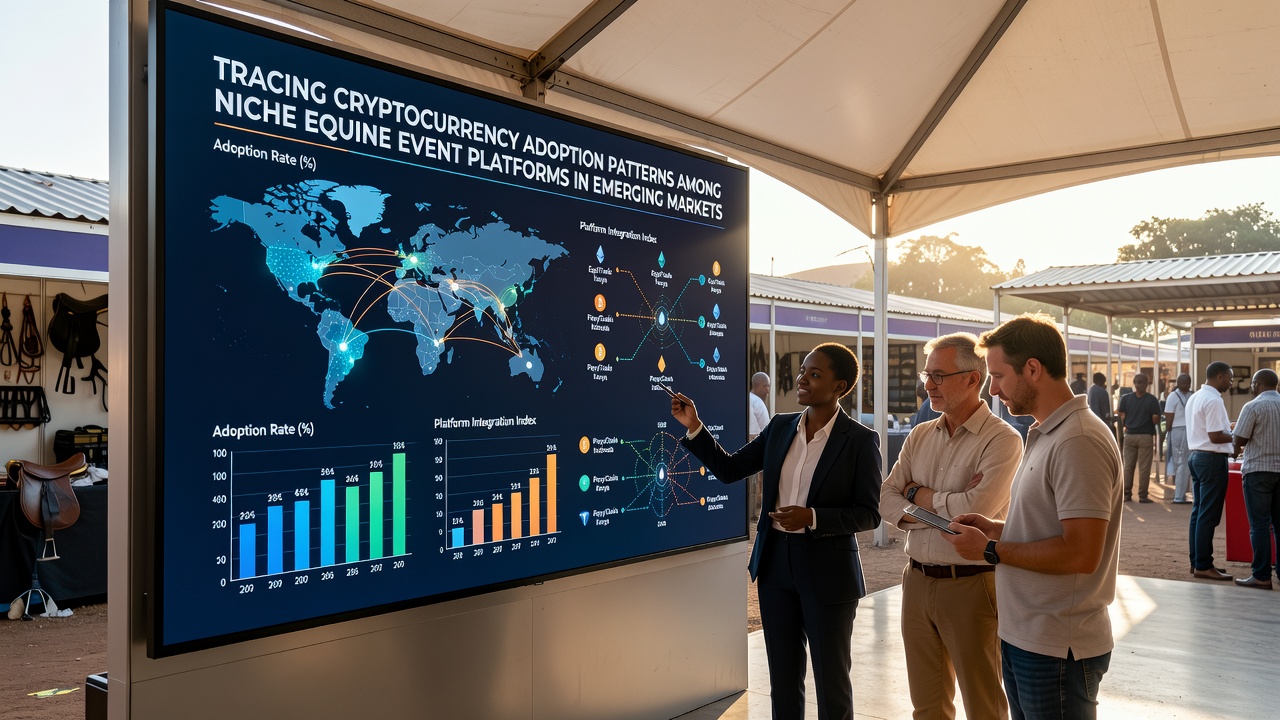
One operator based in São Paulo integrated a multi-currency wallet that supports both Bitcoin and two major stablecoins for its network of regional show-jumping competitions. The system automatically converts incoming payments into the local currency for prize distribution while maintaining a small reserve in digital assets for cross-border vendor payments. Adoption among competitors reached 47 percent within four months of launch according to internal metrics shared with industry analysts.
In Kenya a smaller platform serving endurance riding events introduced cryptocurrency payouts for top finishers after receiving feedback that traditional bank transfers often failed in remote competition zones. The change coincided with a 19 percent rise in international participant registrations during the first quarter of 2026. Organizers reported that prize money arrived in competitor accounts on the same day as the event conclusion, eliminating the previous two-week lag.
Challenges That Remain
Despite measurable growth, infrastructure gaps persist. Internet connectivity at many rural venues hosting equine events remains unreliable, which can interrupt wallet synchronization during registration windows. Platform developers have responded by adding offline transaction queuing features that process payments once connectivity returns, yet these solutions add complexity to user experience.
Regulatory uncertainty continues in several jurisdictions. While Brazil advanced licensing frameworks, other markets still lack clear guidelines on how digital asset transactions intersect with existing gaming and entertainment regulations. Platform operators therefore maintain parallel fiat rails alongside crypto options to accommodate participants who prefer conventional payment methods.
Conclusion
Patterns emerging through June 2026 point to continued expansion of cryptocurrency usage on niche equine event platforms in select emerging markets. Growth concentrates in regions where regulatory progress, fee advantages, and settlement speed align with the operational realities of decentralized event calendars. Continued monitoring of transaction data and participant behavior will clarify whether these trends stabilize or accelerate as infrastructure and policy environments evolve.